Vanguard: The communist capitalist who saved investors a trillion dollars (Audio)
Acquired@AcquiredFMVanguard: The communist capitalist who saved investors a trillion dollars (Audio)
This video explores the origin story and unique business model of Vanguard, the world's leader in index funds. It explains how founder Jack Bogle created a client-owned company that eliminated traditional profit motives to save retail investors trillions of dollars.

- Views
- 101.7K
- Likes
- 815
- Comments
- 52
- Topics
Analysis
This video explores the origin story and unique business model of Vanguard, the world's leader in index funds. It explains how founder Jack Bogle created a client-owned company that eliminated traditional profit motives to save retail investors trillions of dollars.
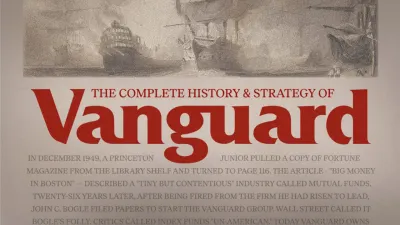
A cream-colored background features a vintage sketch of warships at the top. The center is dominated by a large red title and a detailed paragraph of text that tells the origin story of the company. The text at the bottom ends abruptly, leaving a story unfinished.
I was telling my wife, you know, I think I'll be able to do bedtime tonight, maybe. Today's episode is more relevant for you than any other company we have ever covered. For most of you, you have most of your net worth Tied up in this company... They manage over $10 trillion in passive index funds. That means they own an average of almost 10% of every company in the S&P 500. In many ways, it is a different kind of capitalism. Dare we say communist capitalism. the man behind this idea is A visionary, an iconoclast, and a pedantic stick in the mud... the story is equal parts idealistic as it is vindictive.
- 01The Relatability Anchor
Start with a mundane, everyday conversation that frames the massive topic as something simple or personal.
OriginalI was telling my wife, you know, I think I'll be able to do bedtime tonight, maybe.
- 02The Personal Connection
Directly link the subject to the viewer's current life or well-being to establish immediate relevance.
OriginalToday's episode is more relevant for you than any other company we have ever covered. For most of you, you have most of your net worth Tied up in this company...
- 03The Mind-Bending Stat
Provide a massive, hard-to-comprehend number or fact that shows the scale of the subject.
OriginalThey manage over $10 trillion in passive index funds. That means they own an average of almost 10% of every company in the S&P 500.
- 04The Paradox Label
Describe the subject using two contrasting or contradictory words to create intellectual friction.
OriginalIn many ways, it is a different kind of capitalism. Dare we say communist capitalism.
- 05The Character Conflict
Introduce the person behind the subject and tease their internal contradictions or secret motivations.
Originalthe man behind this idea is A visionary, an iconoclast, and a pedantic stick in the mud... the story is equal parts idealistic as it is vindictive.