 Alex Shan@alexshander03
We’re launching @JudgmentLabs today and announcing $32M in funding. As AI agents take on more of the work that creates economic value, they generate massive amounts of production data: the clearest record of how they behave with users, software, and the real world. Judgment builds infrastructure for improving AI agents from production data.
- Views
- 3,586,272
- Likes
- 1,032
- Replies
- 212
- Reposts
- 147
- Quotes
- 95
- Bookmarks
- 377
We’re launching @JudgmentLabs today and announcing $32M in funding.
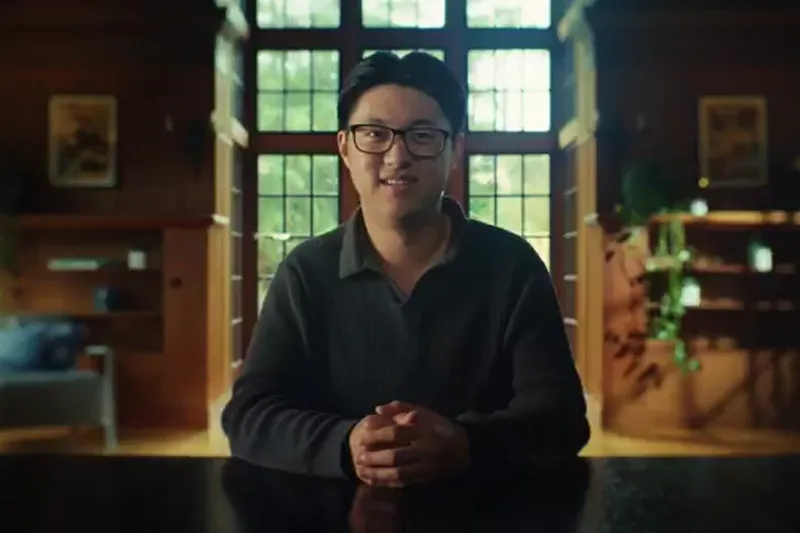
Judgment Labs co-founder Alex Shan describes how the platform uses production data to find patterns in AI agent failures, investigate root causes, and track fixes. The video introduces the product and its launch, with the caption announcing $32 million in funding.
- Views
- 3.6M
- Likes
- 1K
- Replies
- 212
- Reposts
- 147
- Quotes
- 95
- Bookmarks
- 377
- AI agent monitoringProduction data analysisAgent failure detectionJudgment Labs launchStartup funding
Analysis
Judgment Labs co-founder Alex Shan describes how the platform uses production data to find patterns in AI agent failures, investigate root causes, and track fixes. The video introduces the product and its launch, with the caption announcing $32 million in funding.
- Talking headDemoProblem–SolutionProduct showcase
- The presenter addresses the camera during the explanation, and a sampled dark interface shows an example AI-agent workflow that supports the product discussion.
“We’re launching @JudgmentLabs today and announcing $32M in funding. As AI agents take on more of the work that creates economic value, they generate massive amounts of production data: the clearest record of how they behave with users, software, and the real world. Judgment builds infrastructure for improving AI agents from production data.”
- Text
“I'm Alex, co founder of Judgment Labs. Every AI team I work with hits the same wall.”
- 01Introduce the recurring problem
Establishes the problem the product is meant to address and motivates the introduction of the solution.
The speaker identifies themselves and their organization, then describes a common problem and why existing reports leave its scope or cause unclear.
“I'm Alex, co founder of Judgment Labs. Every AI team I work with hits the same wall. An agent screws up, someone forwards a screenshot and the engineers pick it up in Slack. Nobody knows how widespread the problem is or which part of their agent is broken.”
- 02Present the platform and its first investigation loop
Begins answering how the problem can be investigated, while showing why one incident may point to a wider issue.
The speaker introduces the product as a response to the problem, describes analyzing a particular incident, and explains how searches across production data reveal broader patterns.
“That's why we built Judgment Labs. Judgment is the platform for improving deep agents from production data. When an issue comes up, we ask Judgment. In addition to finding and analyzing this specific run, we spawn search agents that crawl over your production traff spot and highlight patterns. Now we know to drill deeper since this isn't just a one off”
- 03Narrow the cause and explain resolution
Develops the investigation into a concrete diagnosis-and-resolution process, completing the first operational loop.
The speaker says the investigation is only a starting point, describes narrowing down relevant cases to find root causes, then explains how the product organizes context and supports resolution.
“knowing that we should resolve this is just the start. We need to comb through specific agent runs with relevant customers and task types to narrow our root causes. Judgment's agent search enables you to drill into these questions, and our dashboards help you communicate the answers. Once we scope the problem to the right set of failure cases, resolution becomes simple. Judgment organizes trace context intelligence so that agents can interpret your production data as easily as coding agents can navigate repos. This makes it easy to put your agents to work.”
- 04Automate discovery, testing, and monitoring
Shows how the product extends beyond fixing a known issue to preventing repeats and surfacing new issues.
The speaker gives a workflow for supplying data to agents, using their findings to draft evaluation criteria, testing fixes, and watching for future regressions and new failure types.
“Just feed your evals and production data to agents that cluster what they see and draft rubrics from the patterns. Once a fix is identified, Judgment's offline tests can help close the loop. Once you've caught an issue, you'll never lose track of it. Judgment agents keep watching so you can catch future regressions and edge cases before a customer does. And as you to catch more issues, Judgment passively learns your failure types, flagging entirely new ones as they emerge.”
- 05Summarize benefits and invite action
Concludes the product case with outcomes, then gives the audience a clear next step.
The speaker summarizes customer outcomes and closes with an invitation to join organizations improving their systems with the product.
“Judgment customers catch more agent misbehavior, resolve customer issues faster, and use their unique data to systematically ship better agents. Join the countless agent native startups, improving their agents with better judgment.”