
How to Create a Frequency So Magnetic Your Desires Chase You | Katie Clarke
Lewis Howes@lewishowesHow to Create a Frequency So Magnetic Your Desires Chase You | Katie Clarke
Spiritual coach Katie Clarke discusses shadow work as a way of understanding how childhood distress may shape protective patterns such as perfectionism. The conversation introduces ways to face and integrate these parts, and connects that work with self-sabotage, limiting beliefs, and manifestation.
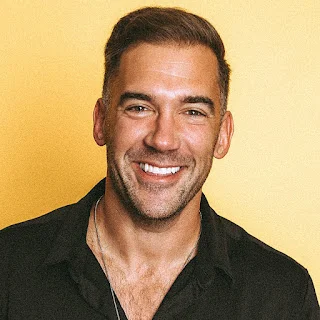
- Views
- 295.6K
- Likes
- 10K
- Comments
- 949
- Shadow workChildhood woundsSelf-SabotageManifestation and Beliefs
Analysis
Spiritual coach Katie Clarke discusses shadow work as a way of understanding how childhood distress may shape protective patterns such as perfectionism. The conversation introduces ways to face and integrate these parts, and connects that work with self-sabotage, limiting beliefs, and manifestation.
- InterviewPodcast episode

- Title
- How to Create a Frequency So Magnetic Your Desires Chase You | Katie Clarke
We all have a shadow self. It's the unconscious self. And the way that the shadow self is created is in moments of trauma. In order to cope with the distress in the moment, our psyche fragments. So let's say you were quite young and you came home and you wanted to show something to your mom. You're like, "Wow, look at this. Look what I made." And she's really critical. That's not resolved in the moment. No one came and told you, "Hey, it's okay. You know what? That's amazing what you did." So your psyche tries to resolve that for you by creating a fragmentation. And this is how the shadow self starts to be born. >> She's a spiritual coach who is here to teach you how to stop chasing your desires and instead start magnetically attracting to them. Please welcome Katie Clark. >> The real keys I want to give people is the fact that you can heal this stuff. It doesn't have to define you for your whole life. And in fact, there's a lot of freedom on the other side of facing and integrating this stuff. How does that look like when you're working with the part of yourself that doesn't feel enough? >> So facing these parts yourself, it starts with admitting. >> I know you talk a lot about shadow work. What is shadow work in practical terms and why do so many people avoid it even when you think they really need it? >>
- 01Cold-open explanation
This pre-identification explanation establishes the subject’s central idea and offers a recognizable personal scenario to make it concrete. Its specific theory and example are not universal; replacements should explain an applicable concept through a fitting situation.
A speaker defines a concept, gives its proposed origin, and illustrates it with a childhood example of criticism and an unresolved response.
We all have a shadow self. It's the unconscious self. And the way that the shadow self is created is in moments of trauma. In order to cope with the distress in the moment, our psyche fragments. So let's say you were quite young and you came home and you wanted to show something to your mom. You're like, "Wow, look at this. Look what I made." And she's really critical. That's not resolved in the moment. No one came and told you, "Hey, it's okay. You know what? That's amazing what you did." So your psyche tries to resolve that for you by creating a fragmentation. And this is how the shadow self starts to be born.
- 02Guest introduction and promise
The host shifts from the cold-open explanation to the guest’s stated role and topic, then welcomes her. This links the interview to the advertised manifestation premise, though the promised frequency method is not explained here.
The host introduces Katie Clark as a spiritual coach and describes the change she is there to teach: stop chasing desires and instead attract them.
“>> She's a spiritual coach who is here to teach you how to stop chasing your desires and instead start magnetically attracting to them. Please welcome Katie Clark. >>”
- 03Hope and practical question
The guest frames the topic as changeable and offers a hopeful outcome before the host turns that broad promise into a practical question. This directs the conversation toward what the work looks like in a recognizable inner experience.
The guest says the issue can be healed and need not define a whole life, points to freedom on the other side of facing it, and the host asks what working with a part that feels insufficient looks like.
“The real keys I want to give people is the fact that you can heal this stuff. It doesn't have to define you for your whole life. And in fact, there's a lot of freedom on the other side of facing and integrating this stuff. How does that look like when you're working with the part of yourself that doesn't feel enough?”
- 04First step and definition question
The brief answer gives a first step, while the host’s follow-up makes the central term explicit and asks for its practical meaning and the reason people avoid it. That question leads into the sustained explanation, so the introduction ends here.
The guest says facing these parts starts with admitting, then the host asks what shadow work means in practical terms and why people avoid it.
“>> So facing these parts yourself, it starts with admitting. >> I know you talk a lot about shadow work. What is shadow work in practical terms and why do so many people avoid it even when you think they really need it? >>”