Top Plastic Surgeon Exposes the Secret Procedure Every Celebrity Is Hiding
Awf The Record@AwfTheRecordTop Plastic Surgeon Exposes the Secret Procedure Every Celebrity Is Hiding
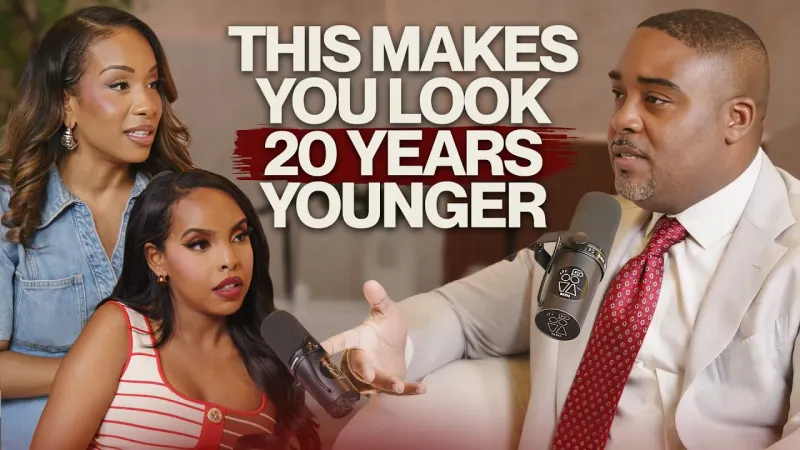
Hosts Mona Kosar Abdi and Jeannette Reyes talk with Beverly Hills facial plastic surgeon Dr. Carl Truesdale about common misconceptions, including plastic surgery for Black patients, and how he came to the specialty. The episode description promises discussion of procedures, natural-looking results, patient suitability, surgeon red flags, costs, and celebrity and men’s trends.

- Views
- 249K
- Likes
- 8.6K
- Comments
- 1.1K
- Facial plastic surgeryCelebrity surgery trendsChoosing a SurgeonSurgery and Self-Image
Analysis
Hosts Mona Kosar Abdi and Jeannette Reyes talk with Beverly Hills facial plastic surgeon Dr. Carl Truesdale about common misconceptions, including plastic surgery for Black patients, and how he came to the specialty. The episode description promises discussion of procedures, natural-looking results, patient suitability, surgeon red flags, costs, and celebrity and men’s trends.
- InterviewPodcast episode
- Title
- Top Plastic Surgeon Exposes the Secret Procedure Every Celebrity Is Hiding
“Good evening. Your time now is 5:52. I'm Jennet Rubias. >> And I'm Mona Kosar Abdi and this is off the record. Not for real. This is off the record. Dr. Truesdale, welcome to the group chat. >> Thank you. It's a pleasure to be here. >> It's good to have you. We you've been highly anticipated. Probably one of our most highly anticipated guests. >> Okay. I don't want to let you guys down. >> [laughter] >> Uh let me ask you to to set the tone here. What is the biggest misconception about plastic surgery? Mhm. Mhm. So, one of the big ones that I am happy to rewrite is that plastic surgery is not for black people. It's not for skin of color, right? It's not for us. So, black don't crack. That's something that hope you know, thankfully I've been at the tip of the spear kind of going against that, showing that plastic surgery can be done beautifully, naturally, and for all skin types. You're the first or the only black plastic surgeon in Beverly Hills. Well, I'm the only black facial plastic surgeon in Beverly Hills that I know of. >> Yeah. Yeah. I mean, this is if you're going to get work done, this is the town to get work done. >> Yeah, it's definitely a Mecca. You know, there's there's a few hubs across the planet. >> Mhm. Obviously, Beverly Hills is one of them. So, what attracts you to like why why did you decide to be a plastic surgeon to begin with? >> So, ultimately, my journey was actually started from heartache like a lot of you know, people. I had a baby brother who died when I was very young and it made me want to pursue medicine. My dad's a scientist and so I wanted to use science to help people. My mom's an artist. So, I've always been an artist as well, portrait artist. And so, I made my decision to go into medicine, did all the things that I needed to do to matriculate, and then you know, after I soul searched, going from wanting to cure cancer to really understanding I want to talk to people, impact people, not so much research, I realized that I wanted to become a surgeon because I love working with my hands. I play the piano, I fly, I I knit, I crochet, I do all these things with my hands. And so, when I really broke down surgical subspecialties, I I in love with head and neck surgery because you get to deal with old people, young people, head and neck cancer, life, death, and a part of that is facial plastic surgery. And so, the two loves of artistry, helping people through medicine came together in facial plastic surgery is literally the best thing. Hm. For people who don't know, can you break down um cuz they think I mean I I'm sure I I was like this at one point, too, where plastic surgery is plastic surgery. Go to one plastic surgeon [clears throat] for your breast augmentation, your BBL, and your nose job, right? But it doesn't work that way. You mentioned that you specialize in face and neck. What other categories are there? So, it depends on how you got to plastic surgery. The my pathway was head and neck surgery. So, I'm a board-certified otolaryngologist head and neck surgeon, and one subspecialty of that is facial plastic surgery. You can get to plastic surgery through general plastic surgery residency, which is kind of a pathway through general surgery.”
- 01Welcome and show setup
Establishes the conversation and brings the guest into it before the host poses the opening topic question.
The hosts identify themselves and their program, welcome a guest, and exchange brief pleasantries.
“Good evening. Your time now is 5:52. I'm Jennet Rubias. >> And I'm Mona Kosar Abdi and this is off the record. Not for real. This is off the record. Dr. Truesdale, welcome to the group chat. >> Thank you. It's a pleasure to be here. >> It's good to have you. We you've been highly anticipated. Probably one of our most highly anticipated guests. >> Okay. I don't want to let you guys down. >> [laughter] >>”
- 02Misconception and correction
This question gives the conversation a focused premise, and the guest’s corrective claim establishes an issue her experience can illuminate.
The host asks for a major misconception about the subject. The guest rejects the idea that the practice is not for a particular community and says it can serve all skin types.
“Uh let me ask you to to set the tone here. What is the biggest misconception about plastic surgery? Mhm. Mhm. So, one of the big ones that I am happy to rewrite is that plastic surgery is not for black people. It's not for skin of color, right? It's not for us. So, black don't crack. That's something that hope you know, thankfully I've been at the tip of the spear kind of going against that, showing that plastic surgery can be done beautifully, naturally, and for all skin types.”
- 03Distinctive experience and setting
The qualification keeps the claim appropriately bounded while adding context for the guest’s perspective and the conversation’s setting.
The host characterizes the guest as the only Black surgeon of her kind in Beverly Hills; the guest qualifies that she is the only one she knows of. They briefly discuss the city as a destination for the field.
“You're the first or the only black plastic surgeon in Beverly Hills. Well, I'm the only black facial plastic surgeon in Beverly Hills that I know of. >> Yeah. Yeah. I mean, this is if you're going to get work done, this is the town to get work done. >> Yeah, it's definitely a Mecca. You know, there's there's a few hubs across the planet. >> Mhm.”
- 04Career origin story
The personal account explains how the guest reached her chosen field, giving the introduction a human backstory before the discussion turns to the work itself.
Asked why she entered the specialty, the guest traces her decision from family loss and parental influences through her interests in science, art, and hands-on work.
“Obviously, Beverly Hills is one of them. So, what attracts you to like why why did you decide to be a plastic surgeon to begin with? >> So, ultimately, my journey was actually started from heartache like a lot of you know, people. I had a baby brother who died when I was very young and it made me want to pursue medicine. My dad's a scientist and so I wanted to use science to help people. My mom's an artist. So, I've always been an artist as well, portrait artist. And so, I made my decision to go into medicine, did all the things that I needed to do to matriculate, and then you know, after I soul searched, going from wanting to cure cancer to really understanding I want to talk to people, impact people, not so much research, I realized that I wanted to become a surgeon because I love working with my hands. I play the piano, I fly, I I knit, I crochet, I do all these things with my hands. And so, when I really broke down surgical subspecialties, I I in love with head and neck surgery because you get to deal with old people, young people, head and neck cancer, life, death, and a part of that is facial plastic surgery. And so, the two loves of artistry, helping people through medicine came together in facial plastic surgery is literally the best thing. Hm.”
- 05Clarifying the specialty and training
The exchange clarifies what the guest does and establishes relevant qualifications. The ledger ends during her explanation of training, so the introduction boundary is incomplete in the supplied excerpt.
The host asks the guest to distinguish her specialty from common assumptions about plastic surgery. The guest explains that the field has different training pathways and begins describing her own board-certified background and route into it.
“For people who don't know, can you break down um cuz they think I mean I I'm sure I I was like this at one point, too, where plastic surgery is plastic surgery. Go to one plastic surgeon [clears throat] for your breast augmentation, your BBL, and your nose job, right? But it doesn't work that way. You mentioned that you specialize in face and neck. What other categories are there? So, it depends on how you got to plastic surgery. The my pathway was head and neck surgery. So, I'm a board-certified otolaryngologist head and neck surgeon, and one subspecialty of that is facial plastic surgery. You can get to plastic surgery through general plastic surgery residency, which is kind of a pathway through general surgery.”