Gypsy-Rose Blanchard: “No One Has Really Listened To Me… Until Now”
We Need To Talk@WeNeedToTalk-PodcastGypsy-Rose Blanchard: “No One Has Really Listened To Me… Until Now”
In a long-form conversation, Gypsy-Rose Blanchard reflects on her childhood, the medical conditions her mother reportedly claimed she had, and her relationship with Dee Dee. She discusses the circumstances around her mother’s murder, her relationships and prison sentence, and how becoming a mother has shaped her thoughts about breaking harmful cycles and moving forward.
- Views
- 2.2M
- Likes
- 44.4K
- Comments
- 16K
- Gypsy-Rose BlanchardChildhood and Medical AbuseMother's Murder and AccountabilityLife after prison
Analysis
In a long-form conversation, Gypsy-Rose Blanchard reflects on her childhood, the medical conditions her mother reportedly claimed she had, and her relationship with Dee Dee. She discusses the circumstances around her mother’s murder, her relationships and prison sentence, and how becoming a mother has shaped her thoughts about breaking harmful cycles and moving forward.
- InterviewPodcast episode

- Title
- Gypsy-Rose Blanchard: “No One Has Really Listened To Me… Until Now”
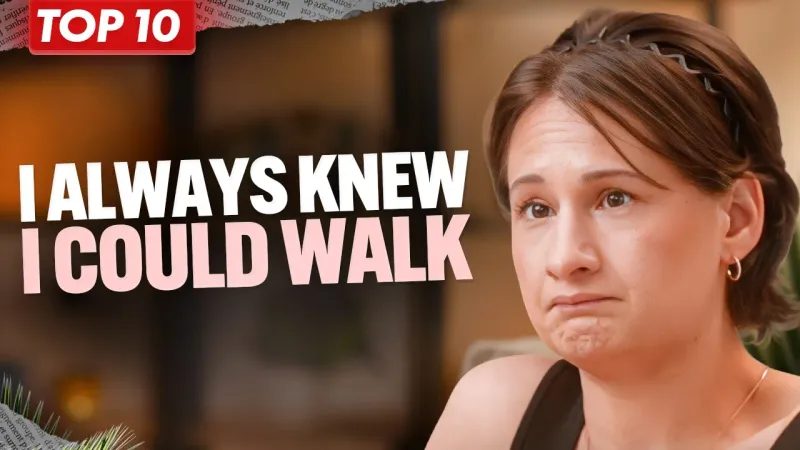
“Gypsy Rose, when you reflect on your Gypsy Rose, when you reflect on your Gypsy Rose, when you reflect on your participation participation participation >> in murdering your mother, what actually >> in murdering your mother, what actually >> in murdering your mother, what actually happened? happened? happened? >> I should have spent the rest of my life >> I should have spent the rest of my life >> I should have spent the rest of my life in prison. I felt like my mom was my in prison. I felt like my mom was my in prison. I felt like my mom was my best friend. She was my protector. So, best friend. She was my protector. So, best friend. She was my protector. So, you have a child that just wants her mom you have a child that just wants her mom you have a child that just wants her mom to love her. to love her. to love her. >> You're the reason I was born to be your >> You're the reason I was born to be your >> You're the reason I was born to be your mom. mom. mom. >> What was your mother claiming? I had >> What was your mother claiming? I had >> What was your mother claiming? I had supposedly a seizure disorder, leukemia, supposedly a seizure disorder, leukemia, supposedly a seizure disorder, leukemia, paralyzed since birth, but I knew that I paralyzed since birth, but I knew that I paralyzed since birth, but I knew that I could walk. could walk. could walk. >> Was there ever a moment where a doctor >> Was there ever a moment where a doctor >> Was there ever a moment where a doctor told her no? told her no? told her no? >> Yes. This brings us to quite a pivotal >> Yes. This brings us to quite a pivotal >> Yes. This brings us to quite a pivotal moment. moment. moment. >> But you then start dating. There was >> But you then start dating. There was >> But you then start dating. There was Nick, Ryan, and Ken.”
- 01Opening question and personal account
This establishes the interview’s central subject and introduces an emotionally complex relationship, giving the viewer reason to hear how the subject understands what happened.
The interviewer asks about the subject’s participation in a serious event. The subject begins an account that pairs a stark reflection with an affectionate description of the person involved.
“Gypsy Rose, when you reflect on your Gypsy Rose, when you reflect on your Gypsy Rose, when you reflect on your participation participation participation >> in murdering your mother, what actually >> in murdering your mother, what actually >> in murdering your mother, what actually happened? happened? happened? >> I should have spent the rest of my life >> I should have spent the rest of my life >> I should have spent the rest of my life in prison. I felt like my mom was my in prison. I felt like my mom was my in prison. I felt like my mom was my best friend. She was my protector. So, best friend. She was my protector. So, best friend. She was my protector. So, you have a child that just wants her mom you have a child that just wants her mom you have a child that just wants her mom to love her. to love her. to love her.”
- 02Conflicting claims and the pivotal moment
The account presents the contrast between what the mother allegedly claimed and what Gypsy-Rose says she knew, then signals a pivotal moment. The excerpt ends as the conversation shifts toward dating, before the fuller story or that moment is explained.
A brief quoted remark leads into a question about the mother’s claims. Gypsy-Rose lists the alleged conditions, says she knew she could walk, and the interviewer asks whether a doctor ever told her otherwise. The answer introduces a pivotal moment and begins a transition to dating.
“>> You're the reason I was born to be your >> You're the reason I was born to be your >> You're the reason I was born to be your mom. mom. mom. >> What was your mother claiming? I had >> What was your mother claiming? I had >> What was your mother claiming? I had supposedly a seizure disorder, leukemia, supposedly a seizure disorder, leukemia, supposedly a seizure disorder, leukemia, paralyzed since birth, but I knew that I paralyzed since birth, but I knew that I paralyzed since birth, but I knew that I could walk. could walk. could walk. >> Was there ever a moment where a doctor >> Was there ever a moment where a doctor >> Was there ever a moment where a doctor told her no? told her no? told her no? >> Yes. This brings us to quite a pivotal >> Yes. This brings us to quite a pivotal >> Yes. This brings us to quite a pivotal moment. moment. moment. >> But you then start dating. There was >> But you then start dating. There was >> But you then start dating. There was Nick, Ryan, and Ken.”