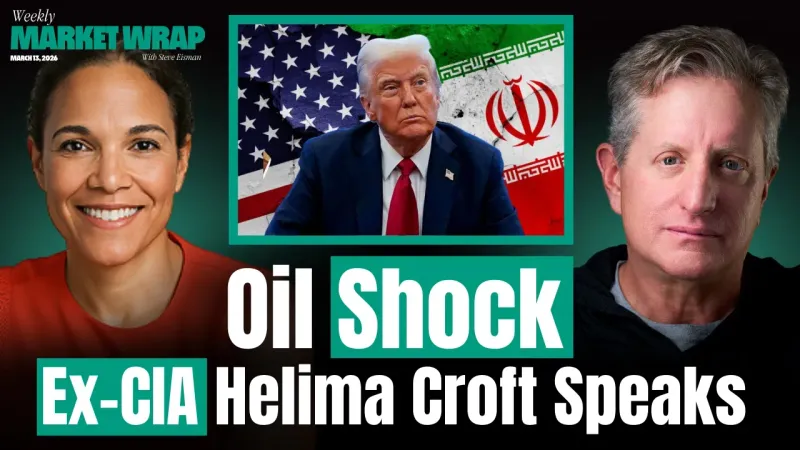
The Iran War Crisis: Ex-CIA Analyst Helima Croft on Oil Shock & Energy Risk | The Weekly Wrap
Steve Eisman@RealEismanPlaybookThe Iran War Crisis: Ex-CIA Analyst Helima Croft on Oil Shock & Energy Risk | The Weekly Wrap
Steve Eisman discusses market uncertainty during the Iran war and introduces an interview with Helima Croft, RBC’s commodity strategy chief and a former CIA analyst. The episode is set to examine Iran’s response, energy-market risks, how the conflict might unfold, and what “winning” could mean; the opening also covers Oracle’s earnings and investor concerns.

- Views
- 135.2K
- Likes
- 4.4K
- Comments
- 620
- Iran War and Energy RiskOil market volatilityGeopolitical market uncertaintyIran conflict outlook
Analysis
Steve Eisman discusses market uncertainty during the Iran war and introduces an interview with Helima Croft, RBC’s commodity strategy chief and a former CIA analyst. The episode is set to examine Iran’s response, energy-market risks, how the conflict might unfold, and what “winning” could mean; the opening also covers Oracle’s earnings and investor concerns.
- InterviewCommentaryNews analysis

- Title
- The Iran War Crisis: Ex-CIA Analyst Helima Croft on Oil Shock & Energy Risk | The Weekly Wrap
“Right now, everything centers around the war with Iran. Investors are trading literally every headline. Since the situation in the Middle East is all important right now, I interviewed Helima Croft, global head of commodity strategy at Royal Bank of Canada, as well as head of research of North Africa and the Middle East. >> What I think is really important to understand why this is not just a concern, but a real crisis in the energy market. If this becomes multi-month, I think the economic ramifications are more significant. >> Helima has some very interesting things to say about what is going on in the Middle East, and I'm going to share that interview with you right now. >> Hi, this is Steve Eisman, and this is another edition of the weekly wrap. This is for the week ending Friday, March 13th, 2026, but recorded on Thursday night of March 12th. Before we get to the wrap, I want to let you know that this coming Monday, we will be dropping an interview with Mark Cuban. Mark runs a company called Cost Plus that delivers pharmaceuticals in the US at a price of wholesale plus a 15% markup. Mark is trying to reform our entire pharma system with transparency and lower prices. Our discussion focused on our broken pharma pricing system, as well as issues in the overall health care system. I learned a lot during the interview, and I think you will, too. So, please tune in. One more quick note. I've been wearing this hat since I lost my hair because of chemotherapy. My hair is starting to grow back. So, right now, I'm retiring the hat. But before we bid goodbye to the hat, one viewer liked my hat so much that he asked where I got it. And the answer is, I bought it at The Gap. And now, the wrap. Right now, the usual issues that investors focus on are just not important. Why? Because normally, markets attempt to discount future cash flows and earnings into current stock prices. All stock analysis is really related to this one big concept. However, during times of war or other types of similar geopolitical events, the level of uncertainty that is created overwhelms any traditional equity analytical tools, and the market just focuses on the events creating the uncertainty. Right now, everything centers around the war with Iran. Investors are trading literally every headline. So, for example, on Monday, oil prices breached the $100 level, and the market swooned. However, Monday afternoon, President Trump gave an interview to CBS News and said that the war would be over soon. Oil prices collapsed as he was speaking to below $90, and the market rallied. I am sure this volatility will continue until there is real clarity about the war. More on the war in Iran and oil prices in a minute.”
- 01Immediate crisis and expert context
This establishes the opening's subject and why it matters now, then supplies relevant credentials for the interview that follows.
The host says the Iran war dominates attention, notes investors are reacting to headlines, and introduces Helima Croft with her professional roles.
“Right now, everything centers around the war with Iran. Investors are trading literally every headline. Since the situation in the Middle East is all important right now, I interviewed Helima Croft, global head of commodity strategy at Royal Bank of Canada, as well as head of research of North Africa and the Middle East.”
- 02Guest assessment and interview promise
The conditional forecast makes duration and economic ramifications consequential, while the interview promise points to a fuller account without presenting the forecast as certain.
A guest voice calls the situation a real energy-market crisis if it becomes multi-month; the host then promises to share Croft's interview.
“>> What I think is really important to understand why this is not just a concern, but a real crisis in the energy market. If this becomes multi-month, I think the economic ramifications are more significant. >> Helima has some very interesting things to say about what is going on in the Middle East, and I'm going to share that interview with you right now.”
- 03Show identification and additional program preview
This identifies the recurring program and adds a separate upcoming interview preview before the host returns to the current week's market discussion.
The host identifies the Weekly Wrap and its recording date, then previews a coming interview with Mark Cuban and briefly describes its subject.
“>> Hi, this is Steve Eisman, and this is another edition of the weekly wrap. This is for the week ending Friday, March 13th, 2026, but recorded on Thursday night of March 12th. Before we get to the wrap, I want to let you know that this coming Monday, we will be dropping an interview with Mark Cuban. Mark runs a company called Cost Plus that delivers pharmaceuticals in the US at a price of wholesale plus a 15% markup. Mark is trying to reform our entire pharma system with transparency and lower prices. Our discussion focused on our broken pharma pricing system, as well as issues in the overall health care system. I learned a lot during the interview, and I think you will, too. So, please tune in.”
- 04Personal note and return to the wrap
This personal aside and answer precede an explicit transition back to the program. It belongs to the opening sequence, though it is separate from the Iran-and-oil premise.
The host explains why he has worn a hat, says his hair is growing back after chemotherapy, shares a viewer's question about it, and returns to the wrap.
“One more quick note. I've been wearing this hat since I lost my hair because of chemotherapy. My hair is starting to grow back. So, right now, I'm retiring the hat. But before we bid goodbye to the hat, one viewer liked my hat so much that he asked where I got it. And the answer is, I bought it at The Gap. And now, the wrap.”
- 05Market uncertainty and oil-price reversal
This provides a concrete example of the market's sensitivity to the conflict and leaves its duration and effects unresolved. The introduction ends when the host transitions to the next topic, an Oracle earnings report.
The host explains that geopolitical uncertainty can overwhelm traditional equity analysis, describes sharp market and oil-price swings around a statement about the war ending soon, and says volatility will persist until there is clarity.
“Right now, the usual issues that investors focus on are just not important. Why? Because normally, markets attempt to discount future cash flows and earnings into current stock prices. All stock analysis is really related to this one big concept. However, during times of war or other types of similar geopolitical events, the level of uncertainty that is created overwhelms any traditional equity analytical tools, and the market just focuses on the events creating the uncertainty. Right now, everything centers around the war with Iran. Investors are trading literally every headline. So, for example, on Monday, oil prices breached the $100 level, and the market swooned. However, Monday afternoon, President Trump gave an interview to CBS News and said that the war would be over soon. Oil prices collapsed as he was speaking to below $90, and the market rallied. I am sure this volatility will continue until there is real clarity about the war. More on the war in Iran and oil prices in a minute.”