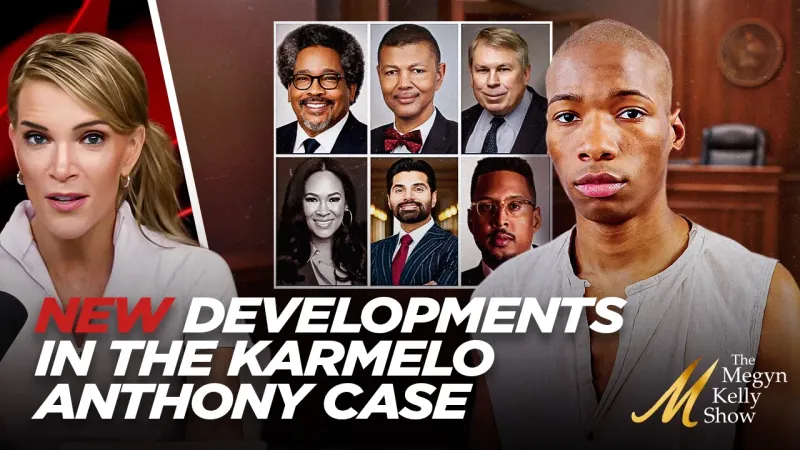
What We’re Learning About Karmelo Anthony’s New Legal ‘Dream Team’ Amid DISTURBING TikTok Trend
Megyn Kelly@MegynKellyWhat We’re Learning About Karmelo Anthony’s New Legal ‘Dream Team’ Amid DISTURBING TikTok Trend
Megyn Kelly discusses developments in Karmelo Anthony’s appeal, focusing in the opening on attorney Justin Moore’s deleted post and his legal background. The supplied description also says the video covers criticism of the family and spokesperson, a public feud with Austin Metcalf’s father, and social media content celebrating Metcalf’s death.
- Views
- 238.9K
- Likes
- 8.5K
- Comments
- 2.1K
- Karmelo anthony appealDefense lawyersCase public controversyViral TikTok Trend
Analysis
Megyn Kelly discusses developments in Karmelo Anthony’s appeal, focusing in the opening on attorney Justin Moore’s deleted post and his legal background. The supplied description also says the video covers criticism of the family and spokesperson, a public feud with Austin Metcalf’s father, and social media content celebrating Metcalf’s death.
- CommentaryNews analysis
- Title
- What We’re Learning About Karmelo Anthony’s New Legal ‘Dream Team’ Amid DISTURBING TikTok Trend
“Okay, so let me tell you what's happening in Carmemelllo Anthony. He lawyered up for his appeal with a bunch of these they're like these higherpowered very race-based lawyers like one guy who is chief of staff for Benjamin Crump who's basically Al Sharpton by another name. Um and one of them is named Justin Moore and we just had something extraordinary happen. This is the new appellet lawyer. Okay. One of I think five or six. And he he he posted something online which he then deleted almost immediately, but not not soon enough. Uh and here's here's what it reads. 35 years they showed no mercy. He's clearly referring to the jury because that's the sentence that Carmemelllo Anthony got. kind of hard to when the defendant's parents had a press conference mocking the dead victim's father right after the incident. We'll show you that tape in a minute. Y'all non- lawyers can argue about if he were guilty or not. Most real lawyers realize this was a punishment case from the beginning. What he's saying is we all knew he was guilty. The only real opportunity for good lawyering was on getting the sentence reduced. you know, throwing yourself in the mercy of the court, painting him as a sympathetic person, what have you. This is his appellet lawyer who's about to go in there and argue that it was a biased jury because there were there were no black people and three black jurors got struck unfairly in with these permpary challenges or like this guy is about to make that argument to a to an appellet court. Meanwhile, he's saying right here, we all knew he was guilty. It's just a question about punishment. That's all. And and of course the jury of course they didn't show mercy when the deedant's father mocked sorry the defendant's father mocked the deedant's father at oppressor. This is very unhelpful to Carmelo Anony's appellet chances. He writes goes on to say with that being the case you simply don't run around going on a press tour touting a false narrative. The false narrative is clearly the racial narrative. That's what the family had been touting and has been dominating the airwaves since the verdict and the one they're clearly getting ready to raise on appeal around those black jurors being bounced. This is unbelievable. He's like on our side. I'm pissed, he writes. And it's the people that were around Carmelo who sold this story to folks trying to sell racism for for personal gain. Y'all really showed out this time. I mean, welcome to Team Reason, Justin Moore. It's great to have you. Um, he's right. He's right about what he's saying. However, it's not helpful to the defendant whom is his client. Okay? Whom he represents. Uh, who is his client and whom he represents. Uh, so this went up and then it came right back down. And now we've looked into this guy, Justin Moore. And it turns out Justin uh he's a trial lawyer. His focus is on criminal defense, postconviction advocacy, complex litigation. Uh okay, he's worked on a bunch of cases where he's gotten sentences overturned, that kind of thing that he's he's trying to work with civil rights leaders and so on and represent them.”
- 01Introduce the case and legal team
This establishes the opening subject and identifies the lawyer whose recent actions will anchor the update.
The speaker announces an update about Carmelo Anthony, describes his appeal lawyers, and singles out Justin Moore as a new appellate lawyer.
“Okay, so let me tell you what's happening in Carmemelllo Anthony. He lawyered up for his appeal with a bunch of these they're like these higherpowered very race-based lawyers like one guy who is chief of staff for Benjamin Crump who's basically Al Sharpton by another name. Um and one of them is named Justin Moore and we just had something extraordinary happen. This is the new appellet lawyer.”
- 02Reveal the deleted post
The short-lived post is the opening’s concrete new development; quoting it invites attention to what the lawyer said and why it matters.
The speaker estimates the lawyer is one of five or six, says he posted and quickly deleted something online, and begins quoting it.
“Okay. One of I think five or six. And he he he posted something online which he then deleted almost immediately, but not not soon enough. Uh and here's here's what it reads. 35 years they showed no mercy.”
- 03Connect the quote to the case
This connects the post to the case’s sentencing context and raises the relevance of other conduct, while promising supporting context later.
The speaker interprets the post as referring to the jury and sentence, adds a pointed comparison involving the defendant’s parents and the victim’s father, and promises to show a tape shortly.
“He's clearly referring to the jury because that's the sentence that Carmemelllo Anthony got. kind of hard to when the defendant's parents had a press conference mocking the dead victim's father right after the incident. We'll show you that tape in a minute.”
- 04Explain the appeal argument and its tension
This lays out the apparent conflict between the lawyer’s appeal position and his public statement, making the post’s significance the central question of the opening.
The speaker distinguishes arguments about guilt from a sentencing appeal, describes the planned jury-bias argument, and contrasts it with the lawyer’s reported statement that the defendant was guilty and the case was about punishment.
“Y'all non- lawyers can argue about if he were guilty or not. Most real lawyers realize this was a punishment case from the beginning. What he's saying is we all knew he was guilty. The only real opportunity for good lawyering was on getting the sentence reduced. you know, throwing yourself in the mercy of the court, painting him as a sympathetic person, what have you. This is his appellet lawyer who's about to go in there and argue that it was a biased jury because there were there were no black people and three black jurors got struck unfairly in with these permpary challenges or like this guy is about to make that argument to a to an appellet court. Meanwhile, he's saying right here, we all knew he was guilty. It's just a question about punishment. That's all. And and of course the jury of course they didn't show mercy when the deedant's father mocked sorry the defendant's father mocked the deedant's father at oppressor. This is very unhelpful to Carmelo Anony's appellet chances.”
- 05Continue the post and introduce a second speaker
The remainder of the post provides context for the controversy; the welcome shifts the opening from the quoted words to commentary on their implications.
The speaker continues quoting the post’s criticism of a public narrative and the people promoting it, then welcomes Justin Moore to the discussion.
“He writes goes on to say with that being the case you simply don't run around going on a press tour touting a false narrative. The false narrative is clearly the racial narrative. That's what the family had been touting and has been dominating the airwaves since the verdict and the one they're clearly getting ready to raise on appeal around those black jurors being bounced. This is unbelievable. He's like on our side. I'm pissed, he writes. And it's the people that were around Carmelo who sold this story to folks trying to sell racism for for personal gain. Y'all really showed out this time. I mean, welcome to Team Reason, Justin Moore. It's great to have you.”
- 06Assess the lawyer’s statement and establish credentials
This qualifies the speaker’s assessment and supplies relevant professional background. The excerpt then moves into a more detailed account of Moore’s history, so the introduction boundary falls here.
The speaker agrees with parts of the lawyer’s statement but says it is not helpful to his client, clarifies the client relationship, and outlines Moore’s legal focus and experience.
“Um, he's right. He's right about what he's saying. However, it's not helpful to the defendant whom is his client. Okay? Whom he represents. Uh, who is his client and whom he represents. Uh, so this went up and then it came right back down. And now we've looked into this guy, Justin Moore. And it turns out Justin uh he's a trial lawyer. His focus is on criminal defense, postconviction advocacy, complex litigation. Uh okay, he's worked on a bunch of cases where he's gotten sentences overturned, that kind of thing that he's he's trying to work with civil rights leaders and so on and represent them.”