Homebuyers Are Too Entitled
Kristina Smallhorn@KristinaSmallhornHomebuyers Are Too Entitled
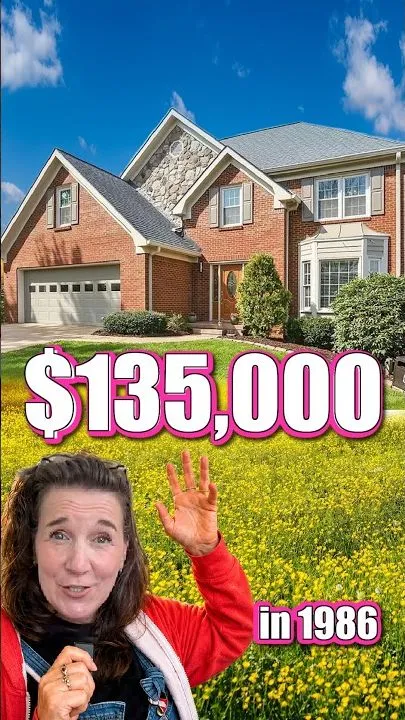
The speaker traces the purchase prices and current values of four childhood homes, then argues that young buyers are not entitled for wanting similar housing opportunities. They say rising home costs have made ordinary family homes unaffordable.
- Views
- 1.8M
- Likes
- 68.8K
- Comments
- 7.2K
- Rising home pricesFirst-time homebuyersFamily home historyHousing affordability
Analysis
The speaker traces the purchase prices and current values of four childhood homes, then argues that young buyers are not entitled for wanting similar housing opportunities. They say rising home costs have made ordinary family homes unaffordable.
- Talking headVlogHot take
- Spoken
- Original
“Right now, I'm going to show you all the houses I grew up in as a kid.”
Right now, I'm going to show you all the houses I grew up in as a kid. This is the first house that we ever had. My dad bought it for $58,000, which was a ton of money back in 1974. He bought it for $58,000, and his interest rate was like 13%. He had four kids, a station wagon. My mom was working as a nurse, and my dad was working in Boston at the time. This house is now over $730,000. That's how much it's worth today. Well, you're thinking, "Oh, that's a long time lifespan." Basically. All right, let me show you their second house. This house was in Atlanta, Georgia, Roswell to be exact, outside of Roswell, in the suburbs. My dad bought this house brand new. It was $140,000. At some point, because he had four kids, he ended up putting a pool in there, and they did gain some equity, nothing big. Today, that house is worth $880,000. Then, fast forward, my dad is now going to retire, and he's going to buy his retirement home in Florida, just like most people do. He ends up building a brand new house in Eustis, Florida. That's outside of Orlando, for $210,000. They end up putting this pool in there. Today, that house is worth $620,000. At the height, it was almost 900,000, but it's come down since then. Now, this was their very last house. This is in a rural area of Florida. Like, there isn't anywhere anything out there other than manatees. It's in Citrus County. They bought this house, they built it, brand new, and he built it for $250,000. That house today is $747,000. So, in that very short period of time that they bought that house, in over what, 20 years, it gained almost $500,000 in equity. I I hear it all the time that people say kids today want something more than what their parents had. We just want to be able to buy houses like this for our regular families that doesn't cost $740,000. Most young people are looking just for the same kind of house and opportunities that their parents had when they were first starting out. Many people would love to be able to have four kids, have both have decent paying jobs, and be able to afford a home like this, my dad's very first starter home, and not have to pay almost a million dollars to get it. It's not an entitlement issue. The housing problem is over inflated. We are spending way too much on the thing that we need, housing. Everybody needs it. Think about it. My dad couldn't even afford that house today, the house that he was able to purchase just what, 20 years ago. It's not an entitlement, it's a problem with housing. It's way over inflated.
- 01Introduce the family example
Establishes a specific historical baseline and the scale of appreciation, while the acknowledgment of elapsed time makes room for further examples rather than leaving the comparison isolated.
Announces a tour of childhood homes, then presents the first home, its purchase price and date, the family circumstances, and its current value. Briefly anticipates and answers the audience’s thought that the comparison spans a long time.
Right now, I'm going to show you all the houses I grew up in as a kid. This is the first house that we ever had. My dad bought it for $58,000, which was a ton of money back in 1974. He bought it for $58,000, and his interest rate was like 13%. He had four kids, a station wagon. My mom was working as a nurse, and my dad was working in Boston at the time. This house is now over $730,000. That's how much it's worth today. Well, you're thinking, "Oh, that's a long time lifespan." Basically. All right, let me show you their second house.
- 02Extend the comparison across later examples
Shows that the first home is not the only case and strengthens the historical comparison with several distinct examples and a concrete appreciation figure.
Details additional homes: where and how they were acquired, improvements or family context, and their current or peak values. Ends with a final example’s large increase in value over a relatively short period.
“This house was in Atlanta, Georgia, Roswell to be exact, outside of Roswell, in the suburbs. My dad bought this house brand new. It was $140,000. At some point, because he had four kids, he ended up putting a pool in there, and they did gain some equity, nothing big. Today, that house is worth $880,000. Then, fast forward, my dad is now going to retire, and he's going to buy his retirement home in Florida, just like most people do. He ends up building a brand new house in Eustis, Florida. That's outside of Orlando, for $210,000. They end up putting this pool in there. Today, that house is worth $620,000. At the height, it was almost 900,000, but it's come down since then. Now, this was their very last house. This is in a rural area of Florida. Like, there isn't anywhere anything out there other than manatees. It's in Citrus County. They bought this house, they built it, brand new, and he built it for $250,000. That house today is $747,000. So, in that very short period of time that they bought that house, in over what, 20 years, it gained almost $500,000 in equity.”
- 03Rebut the entitlement accusation
Turns the family history into a direct response to the criticism, clarifying what the current generation is asking for and why the affordability gap matters.
Introduces a familiar criticism of younger people, states that they want comparable opportunities rather than something better, and gives concrete examples of the family life and home they hope to afford.
“I I hear it all the time that people say kids today want something more than what their parents had. We just want to be able to buy houses like this for our regular families that doesn't cost $740,000. Most young people are looking just for the same kind of house and opportunities that their parents had when they were first starting out. Many people would love to be able to have four kids, have both have decent paying jobs, and be able to afford a home like this, my dad's very first starter home, and not have to pay almost a million dollars to get it.”
- 04Name the problem and restate the conclusion
Resolves the argument by contrasting the accusation with a specific affordability test, then repeats the central claim for a firm ending.
Rejects entitlement as the explanation, calls housing costs inflated, emphasizes that housing is necessary, and returns to the example of a parent unable to afford the home they once bought.
“It's not an entitlement issue. The housing problem is over inflated. We are spending way too much on the thing that we need, housing. Everybody needs it. Think about it. My dad couldn't even afford that house today, the house that he was able to purchase just what, 20 years ago. It's not an entitlement, it's a problem with housing. It's way over inflated.”