Viral Dirty Cabbage 🥬
Low Carb Love@LowCarbLoveViral Dirty Cabbage 🥬
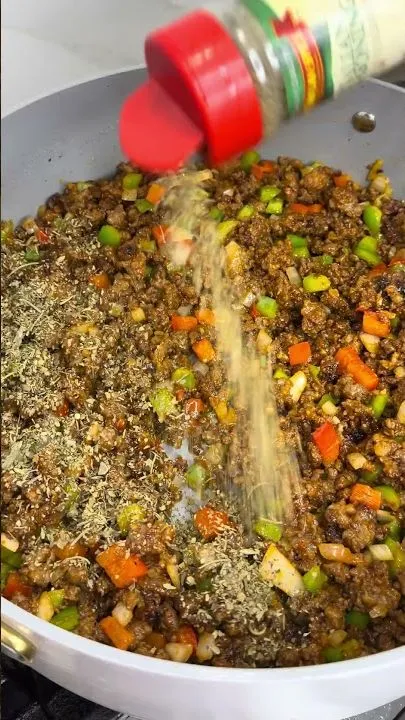
The speaker shares a low-carb “dirty cabbage” recipe inspired by dirty spaghetti, using ground beef and pork, vegetables, seasonings, and broth. They explain why cabbage works in the dish and mention their own weight loss while eating low carb.
- Views
- 1.8M
- Likes
- 65.6K
- Comments
- 634
- Low-carb cabbage recipeWeight lossDirty spaghetti alternative
Analysis
The speaker shares a low-carb “dirty cabbage” recipe inspired by dirty spaghetti, using ground beef and pork, vegetables, seasonings, and broth. They explain why cabbage works in the dish and mention their own weight loss while eating low carb.
- DemoTutorialVlog
- Spoken
- Original
“Now, most of you know I've lost over 100 lb eating low carb.”
“Now, most of you know I've lost over 100 lb eating low carb. So, if you've heard of the dirty spaghetti, this is a low carb version, the dirty cabbage. So, I did a mixture of ground beef and ground pork. I feel like it adds the most flavor. Then, you're going to add tomato paste, onions, bell peppers, garlic, all the seasonings. Don't forget the Worcestershire sauce. And I did add a little slurry to help thicken it. I couldn't forget the salt and pepper, some Italian seasoning, and the bone broth. Okay, and I know this looks like a ton of cabbage, but trust me, it cooks down and cabbage is so low in calories, light in carbs, and literally just soaks up all the flavor. Guys, I am telling you this one right here hits the spot.”
- 01Establish the adaptation
The personal context supports the adaptation, while the familiar reference makes the recipe's premise immediately clear.
Briefly cite relevant personal experience, connect a familiar dish to a dietary constraint, and name the adapted version.
“Now, most of you know I've lost over 100 lb eating low carb. So, if you've heard of the dirty spaghetti, this is a low carb version, the dirty cabbage.”
- 02Give the main ingredients and rationale
This begins the practical recipe guidance and clarifies the reasoning behind a central ingredient choice.
Name the main protein combination and explain why it was chosen for flavor.
“So, I did a mixture of ground beef and ground pork. I feel like it adds the most flavor.”
- 03List additions and supporting details
Completes the usable ingredient guidance by adding flavor components and explaining how the mixture reaches the desired consistency.
Give the remaining ingredients and seasonings, including a reminder, then mention an added technique or ingredient and its purpose.
“Then, you're going to add tomato paste, onions, bell peppers, garlic, all the seasonings. Don't forget the Worcestershire sauce. And I did add a little slurry to help thicken it. I couldn't forget the salt and pepper, some Italian seasoning, and the bone broth.”
- 04Reassure and endorse
Addresses a likely concern about quantity, gives reasons the ingredient suits the recipe, and resolves the presentation with a clear positive verdict.
Acknowledge that the featured ingredient may look excessive, ask viewers to trust the explanation, describe how it changes during cooking, explain its nutritional fit and flavor role, then close with a direct recommendation.
“Okay, and I know this looks like a ton of cabbage, but trust me, it cooks down and cabbage is so low in calories, light in carbs, and literally just soaks up all the flavor. Guys, I am telling you this one right here hits the spot.”