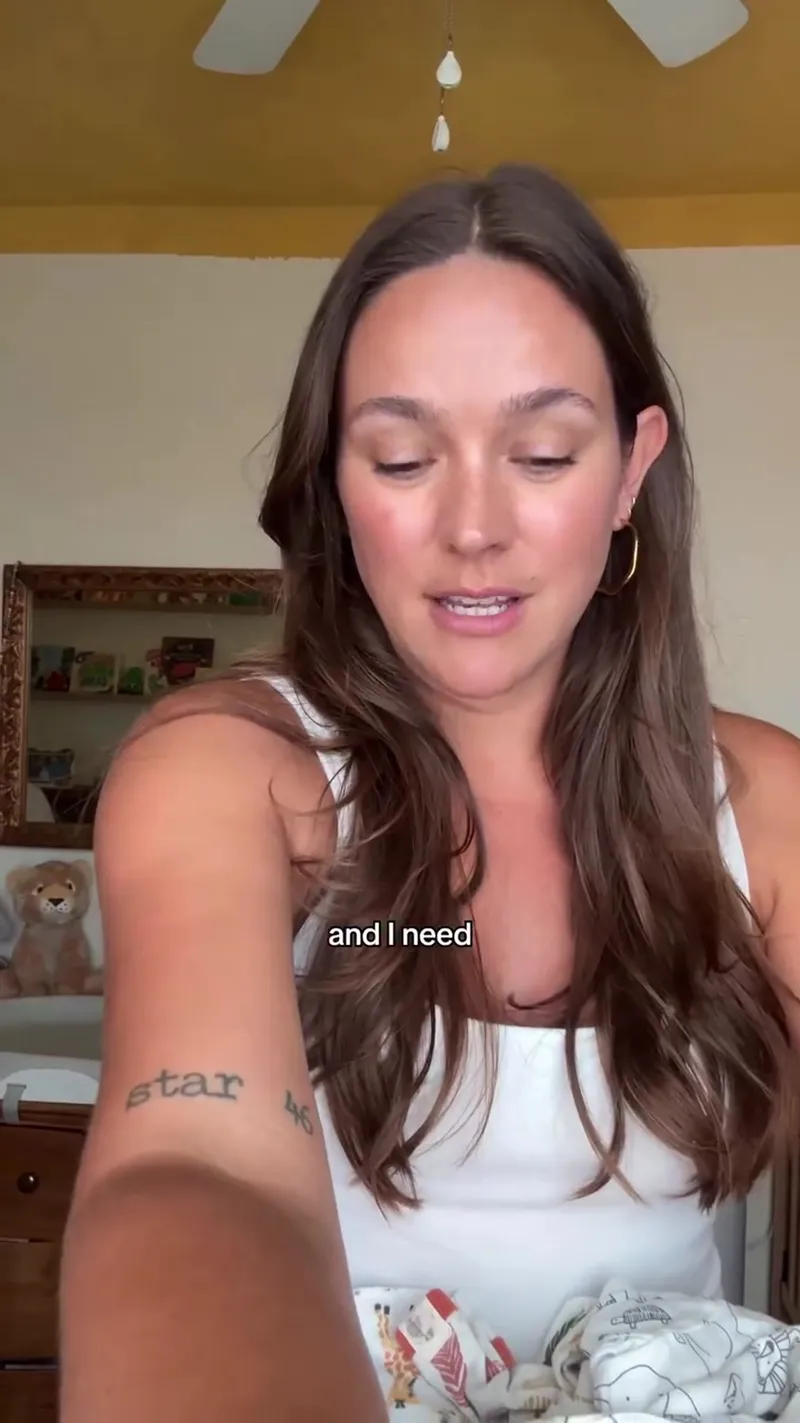
The creator discusses the disturbing irony of decorating nurseries with animals that are currently facing extinction due to climate change. She shares her personal experience visiting Mount Kilimanjaro and warns that its glaciers, which sustain vital ecosystems, could disappear by 2033.
The Heartbreaking Irony of Animal-Themed Nurseries
A mother connects the animal-themed things in her child’s room to wildlife at risk and the loss of Kilimanjaro’s glaciers. She argues that climate change threatens ecosystems and calls for people to protect nature.
- Likes
- 53.9K
- Comments
- 308
- Wildlife conservationKilimanjaro glacier lossClimate changeFossil fuel industry
Analysis
A mother connects the animal-themed things in her child’s room to wildlife at risk and the loss of Kilimanjaro’s glaciers. She argues that climate change threatens ecosystems and calls for people to protect nature.
- Talking headExplainerHot take
- Spoken
- Original
“Okay. I just realized something really disturbing, and I need to share it with y'.”
- Visual
- Direct-to-camera compositionA woman is framed in a vertical, medium close-up, facing the camera in a bedroom setting. No distinct visual action or demonstration is shown.
- The speaker’s room and animal-print clothing illustrate her point about children growing up surrounded by animal imagery. A brief collage of oil and gas figures appears as she discusses fossil fuel executives.
“Okay. I just realized something really disturbing, and I need to share it with y'. All. Everything for babies is about animals. There are lions on her clothes. Lions, tigers, giraffes, another lion. Right? There's a freaking whale on her wall. And so the other day, I was reading her a book of animals, and I was like, you know what? Let me look up these animals so I can teach you a little bit more about them. And if you go on Wikipedia, it has their conservation status, so it says threatened, endangered, or extinct. Last year, I got to go to Kenya to the Ambassador national park, which is at the base of Kilimanjaro, and I got to see elephants and wildlife. And it was amazing. And I'll never forget, right there in the park, there was this plaque, and it said, scientists believe that the glaciers on Kilimanjaro will disappear by 2033. That's seven years from now, because that snowmelt is what sustains the wetlands, the elephants, the ecosystems, everything. And I remember a couple years ago, East Africa had a terrible drought that killed millions of animals. This is the photo that haunts me in my sleep. So I'm looking at all the animals in my daughter's room, and I'm thinking, are these animals going to be extinct by the time she's my age? Not because nature failed, but because we failed. Because climate scientists were sounding the alarm for decades, and then a small group of oil and gas executives made billions of dollars denying that science. And then so many of us thought that protecting nature was just something that was optional. So if we're going to fill our kids rooms and nurseries with lions and elephants and giraffes and whales, then we should all be doing everything to make sure that the animals are still here when our kids grow up.”
- 01Disturbing realization
Introduces the concern and establishes the contrast between affectionate familiarity and the more serious issue to come.
Announces a troubling realization and frames the subject through familiar imagery associated with babies.
“Okay. I just realized something really disturbing, and I need to share it with y'. All. Everything for babies is about animals. There are lions on her clothes. Lions, tigers, giraffes, another lion. Right? There's a freaking whale on her wall.”
- 02Investigation and firsthand discovery
Moves from familiar depictions to researched context and a personal encounter, preparing the evidence that makes the threat concrete.
Describes choosing to look up the animals, finding their conservation classifications, and recalling a visit to a wildlife area near Kilimanjaro.
“And so the other day, I was reading her a book of animals, and I was like, you know what? Let me look up these animals so I can teach you a little bit more about them. And if you go on Wikipedia, it has their conservation status, so it says threatened, endangered, or extinct. Last year, I got to go to Kenya to the Ambassador national park, which is at the base of Kilimanjaro, and I got to see elephants and wildlife. And it was amazing.”
- 03Threat and ecological consequences
Supplies a specific deadline and explains why the loss matters beyond the ice itself; the drought example raises the stakes for wildlife.
Recalls a plaque predicting glacier loss by 2033, explains the importance of snowmelt, and brings in a drought that killed millions of animals.
“And I'll never forget, right there in the park, there was this plaque, and it said, scientists believe that the glaciers on Kilimanjaro will disappear by 2033. That's seven years from now, because that snowmelt is what sustains the wetlands, the elephants, the ecosystems, everything. And I remember a couple years ago, East Africa had a terrible drought that killed millions of animals. This is the photo that haunts me in my sleep.”
- 04Personal stakes and accountability
Turns the broad ecological evidence into a personal concern, then gives the speaker’s explanation for the danger rather than treating it as inevitable.
Connects the animals in the child’s room to a question about their future, rejects nature as the cause, and blames human choices and denial.
“So I'm looking at all the animals in my daughter's room, and I'm thinking, are these animals going to be extinct by the time she's my age? Not because nature failed, but because we failed. Because climate scientists were sounding the alarm for decades, and then a small group of oil and gas executives made billions of dollars denying that science. And then so many of us thought that protecting nature was just something that was optional.”
- 05Call to responsibility
Resolves the argument with a direct responsibility-based appeal, turning the opening contrast into a closing call for action.
Returns to the familiar imagery of children’s rooms and says people should do everything they can to ensure the animals remain for children as they grow up.
“So if we're going to fill our kids rooms and nurseries with lions and elephants and giraffes and whales, then we should all be doing everything to make sure that the animals are still here when our kids grow up.”