A divorce lawyer explains how small gestures and reciprocal appreciation prevent relationships from falling apart. He uses a provocative comparison between flowers and nudes to illustrate how different forms of validation keep a partnership alive.
The Male Version of Flowers: Why Reciprocity Matters
A conversation compares flowers and nude photos as gestures partners may appreciate, then argues that small acts of affection help people feel valued. The speaker connects a lack of such gestures to conflict and divorce.
- Views
- 31.6M
- Likes
- 1.6M
- Comments
- 9K
- Romantic relationship gesturesFlowers and nude photosDivorce and relationship conflict
Analysis
A conversation compares flowers and nude photos as gestures partners may appreciate, then argues that small acts of affection help people feel valued. The speaker connects a lack of such gestures to conflict and divorce.
- InterviewCommentaryTalking head
- Spoken
- Original
“What is the male version of flowers?”
- On-screen text
- Original
“What is / The male / version of”
- Visual
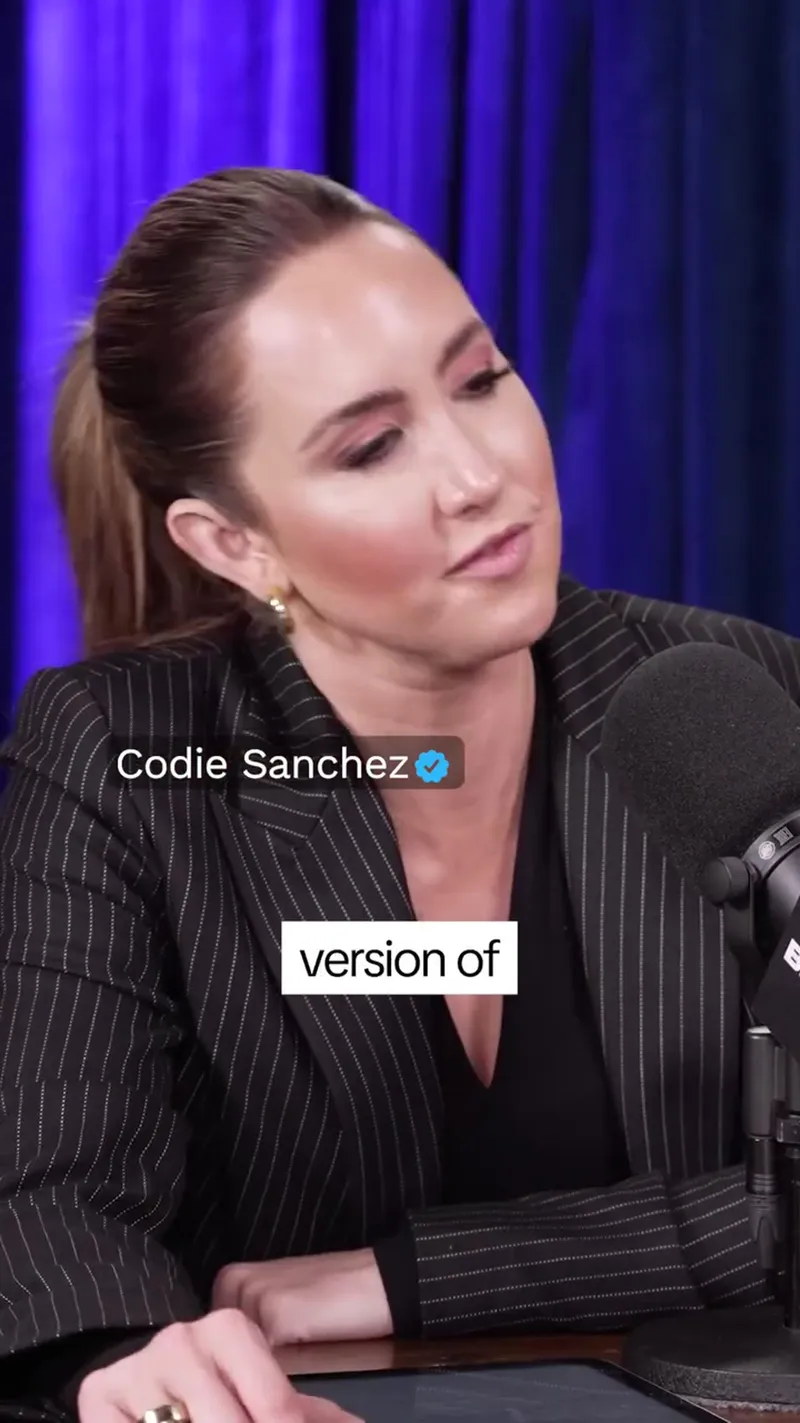
- Text-led compositionA close-up interview shot centers the speaker in a pinstripe jacket, with a microphone prominent at right and short white-backed captions near the lower center. The captions carry the question in fragments; the shot supports rather than demonstrates the premise.
- The sampled visuals show the woman asking the opening question and the male guest speaking through the discussion. On-screen captions highlight parts of the dialogue, including a line about being bad for him.
“What is the male version of flowers? Nudes. Yeah, Nudes. Yeah. Every guy wants a good girl who's only bad for him. And every woman wants a bad boy who's only good for her. So true. Read every romance novel and it's all that. I've never heard of a man getting a nude from a woman he has a relationship with and going, that is not appropriate right now, like, wherever you. I've been in a courtroom and got one and went, like. Because it's true. It's like the flowers. What do the flowers really do? They smell nice for a couple days, then you get throw them out. But it's something about it, you know, if you leave your partner a note in the morning. It was so fun hanging out with you on the couch last night. I married the prettiest girl in the world. What does that take? 10 seconds? What it costs? Nothing. But what does it do? It's just saying, I see you, you're important to me. I want you to feel seen. I want you to feel heard. And this downward spiral that everyone who ends up in my office as a divorce lawyer, it starts with, well, why should I do that? He didn't do this. Yeah, like, why should sleep with him? He's nothing but unfriendly to me. If you sent more flowers, you'd get more nudes. If you gave more nudes, you might get more flowers. Like, I don't know which came first, the flowers or the nudes, the chicken or the egg. But I'll tell you right now, you do one, you'll probably get the other more often.”
- 01Surprising comparison and familiar trope
Introduces the central comparison and gives it a familiar, lightly comic frame before testing it against lived experience.
Poses a question comparing an expected gesture with a provocative substitute, then broadens the idea with paired romantic archetypes and a reference to genre conventions.
“What is the male version of flowers? Nudes. Yeah, Nudes. Yeah. Every guy wants a good girl who's only bad for him. And every woman wants a bad boy who's only good for her. So true. Read every romance novel and it's all that.”
- 02Personal anecdote and analogy
Adds personal context and develops the comparison: the gesture may be brief or poorly timed, but its meaning is not reducible to its physical effect.
Uses an anecdotal example involving an inappropriate moment for the gesture, then returns to flowers to explain their short-lived material value.
“I've never heard of a man getting a nude from a woman he has a relationship with and going, that is not appropriate right now, like, wherever you. I've been in a courtroom and got one and went, like. Because it's true. It's like the flowers. What do the flowers really do? They smell nice for a couple days, then you get throw them out.”
- 03Explain the gesture's relational value
Resolves why a seemingly trivial gesture matters: its lasting value is the message that a partner is noticed, important, and understood.
Contrasts flowers' fleeting physical effect with a thoughtful note, then asks what such an inexpensive, quick action communicates and answers with recognition and care.
“But it's something about it, you know, if you leave your partner a note in the morning. It was so fun hanging out with you on the couch last night. I married the prettiest girl in the world. What does that take? 10 seconds? What it costs? Nothing. But what does it do? It's just saying, I see you, you're important to me. I want you to feel seen. I want you to feel heard.”
- 04Show how neglect compounds
Raises the stakes by showing how dismissing small gestures can feed a worsening cycle and gives the advice a concrete problem to address.
Connects repeated unresolved complaints in the speaker's professional context to a relationship breakdown, then voices examples of perceived neglect.
“And this downward spiral that everyone who ends up in my office as a divorce lawyer, it starts with, well, why should I do that? He didn't do this. Yeah, like, why should sleep with him? He's nothing but unfriendly to me.”
- 05Reciprocal advice and closing rule of thumb
Pays off the cycle with a concise, actionable principle while preserving the reciprocal nature of the comparison.
Offers reciprocal if-then possibilities, admits uncertainty about which action comes first, and concludes that doing one makes receiving the other more likely.
“If you sent more flowers, you'd get more nudes. If you gave more nudes, you might get more flowers. Like, I don't know which came first, the flowers or the nudes, the chicken or the egg. But I'll tell you right now, you do one, you'll probably get the other more often.”