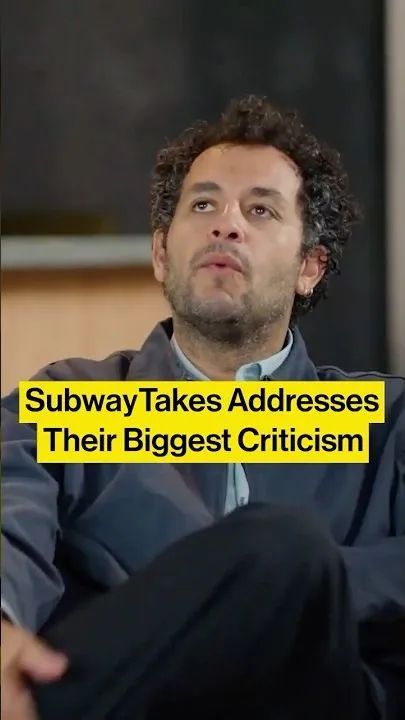
Kareem Addresses SubwayTakes Biggest Criticism
Colin and Samir@ColinandSamirKareem Addresses SubwayTakes Biggest Criticism
The speaker answers criticism that the show should feature more regular New Yorkers. They argue that New York stand-up comedians are working-class creatives and that talk show guests should have a reason to appear.

- Views
- 1.2M
- Likes
- 19.7K
- Comments
- 1.6K
- Talk show guest selectionRegular new yorkersStand-up comedians
Analysis
The speaker answers criticism that the show should feature more regular New Yorkers. They argue that New York stand-up comedians are working-class creatives and that talk show guests should have a reason to appear.
- Hot takeMonologue
- Spoken
- Original
One of the biggest criticisms of the show, they're like, "Have regular New Yorkers on." And I'm like, I do.
One of the biggest criticisms of the show, they're like, "Have regular New Yorkers on." And I'm like, I do. A stand-up comedian in New York, to me, is a regular person. That's a working-class creative. Sure, I could have a plumber on the show, or an electrician on the show, but they don't need to be on the show. It's not helpful to their career, really. There are plenty of other shows that cater to the fully regular New Yorker. But, my show's a talk show. And in talk shows, you book guests that have a reason to be on the show.
- 01State the criticism and define the disputed category
Frames the objection and gives the speaker's definition, setting up why the proposed alternative may not be necessary.
Presents a major criticism of the show as a quoted request, then counters it by explaining what the speaker considers a regular member of the relevant community.
One of the biggest criticisms of the show, they're like, "Have regular New Yorkers on." And I'm like, I do. A stand-up comedian in New York, to me, is a regular person. That's a working-class creative.
- 02Explain why the alternative does not fit the show's purpose
Develops the response by distinguishing the show's guest choices from the criticism's assumption that any ordinary person would be a useful guest.
Concedes that other kinds of guests could appear, then argues they may not benefit professionally and that other shows serve the more ordinary audience.
“Sure, I could have a plumber on the show, or an electrician on the show, but they don't need to be on the show. It's not helpful to their career, really. There are plenty of other shows that cater to the fully regular New Yorker.”
- 03Clarify the show's booking criterion
Closes the response by stating the format's practical guest-selection principle.
Identifies the program as a talk show and explains that guests are booked when they have a reason to appear.
“But, my show's a talk show. And in talk shows, you book guests that have a reason to be on the show.”