Olive Garden-Inspired Lunch Boxes
Olive Garden-Inspired Lunch Boxes
The creator prepares Olive Garden-inspired lunch boxes for a high school robotics camp, including baked five-cheese ziti, salad, garlic breadsticks, and no-bake chocolate lasagna. They share shortcuts for keeping the meal affordable and describe making it as a way to show care for the students.
- Views
- 1.9M
- Likes
- 136.3K
- Comments
- 1.4K
- Olive Garden-inspired lunchRobotics camp meal prepBudget-friendly cookingIndividual pasta portionsNo-bake chocolate dessert
Analysis
The creator prepares Olive Garden-inspired lunch boxes for a high school robotics camp, including baked five-cheese ziti, salad, garlic breadsticks, and no-bake chocolate lasagna. They share shortcuts for keeping the meal affordable and describe making it as a way to show care for the students.
- DemoVoiceoverVlog
- Spoken
- Original
“I volunteered to make lunch for arobotics camp at our local high school, and today's lunch box was Olive Gardenthemed.”
“I volunteered to make lunch for arobotics camp at our local high school, and today's lunch box was Olive Gardenthemed. I started with making dessert because it needed some time to chill. Iam making a chocolate lasagna. Now, obviously, I can't make Olive Garden'sversion. That would have taken way more time than I had, but I made a no-bakeversion with an Oreo crust, a cheesecake layer, chocolate pudding, Cool Whip, andI finished it with crushed Oreos and shaved chocolate on top. I assembledthem right in these clear cups because I thought it'd be fun to actually see allof the layers. One thing I have learned making these lunches is that I amconstantly weighing cost against effort. For example, I really wanted to includebreadsticks, and I wanted everyone to get two. But buying five boxes of frozenbreadsticks would have been expensive, and making them completely from scratchjust wasn't realistic. So, I took a shortcut with these thaw, rise, and bakedinner rolls. Once they're thawed, I rolled them into breadsticks and letthem proof while I worked on everything else. Today's main dish was inspired byOlive Garden's five-cheese ziti al forno. And for the first time this week,everyone was eating the exact same meal because it was naturally vegetarian. Icooked the ziti first, and then I made a creamy tomato sauce using three jars oftomato, basil, and garlic pasta sauce, added some heavy cream, ricotta cheese,and Italian cheese blend. I made sure to buy a vegetarian-friendly cheese soeveryone could enjoy it. And once everything was melted together, itturned into this rich, creamy, five-cheese sauce. Instead of making onebaked pasta dish, I assembled individual portions in these little loaf pans. Eachone got a layer of pasta, plenty of sauce, and topped with seasonedbreadcrumbs and extra cheese before heading into the oven until they werehot, bubbly, and golden brown. And of course, it wouldn't be Olive Gardenwithout the salad. Last week, I found these clear containers at Dollar Tree,and I threw them in my cart because I figured I'd find a use for themeventually. Turns out they were the perfect size for individual salads. Ilayered in lettuce, tomato, red onions, pepperoncini, black olives, andcroutons. And I thought about portioning the dressing, too, but in the end I justsent the whole bottle with the lunches, so everyone can add as much or as littleas they wanted. Once the breadsticks came out of the oven, I brushed themwith melted butter and sprinkled them with garlic powder, and then it wasfinally time to pack everything up. These loaf pans fit almost perfectlyinside the lunch boxes with a breadstick, napkin, and fork. The saladand desserts had to ride separately today, but honestly, I really love howeverything turned out. This was my final lunch I got to make for the roboticscamp, and I genuinely had so much fun doing this. It was a lot of work, butfrom everything I've heard, the students have absolutely loved the lunches. Foodhas always been one of my favorite ways to show people I care, and getting tospend this week doing that for a group of students was something reallyspecial, and I hope I get the chance to do it again next year.”
- 01Introduce the project and begin with the time-sensitive component
Establishes the project and its theme, then gives a concrete example of adapting an ambitious idea to available time. The visible or inspectable result adds a small payoff before the other components.
Set the group-serving context and theme, then start with a component that needs advance preparation. Explain the constraint behind a simplified version, describe its layers or ingredients, and note a presentation choice.
“I volunteered to make lunch for arobotics camp at our local high school, and today's lunch box was Olive Gardenthemed. I started with making dessert because it needed some time to chill. Iam making a chocolate lasagna. Now, obviously, I can't make Olive Garden'sversion. That would have taken way more time than I had, but I made a no-bakeversion with an Oreo crust, a cheesecake layer, chocolate pudding, Cool Whip, andI finished it with crushed Oreos and shaved chocolate on top. I assembledthem right in these clear cups because I thought it'd be fun to actually see allof the layers.”
- 02Explain a resource tradeoff and show the workaround
Turns the preparation into a practical decision: it explains why the ideal options were unsuitable and resolves that problem with a workable alternative.
Share a general lesson about balancing cost and effort, illustrate the competing options for one desired component, then explain and carry out a shortcut that fits the project.
“One thing I have learned making these lunches is that I amconstantly weighing cost against effort. For example, I really wanted to includebreadsticks, and I wanted everyone to get two. But buying five boxes of frozenbreadsticks would have been expensive, and making them completely from scratchjust wasn't realistic. So, I took a shortcut with these thaw, rise, and bakedinner rolls. Once they're thawed, I rolled them into breadsticks and letthem proof while I worked on everything”
- 03Prepare the main component and accommodate the group
Develops the themed project with its central component and shows how the preparation serves the people receiving it. The finished, specific result pays off the process before attention moves to another accompanying component.
Introduce the centerpiece, explain a feature that lets the group share it, then describe its preparation, ingredient choices, assembly, and finished state.
“else. Today's main dish was inspired byOlive Garden's five-cheese ziti al forno. And for the first time this week,everyone was eating the exact same meal because it was naturally vegetarian. Icooked the ziti first, and then I made a creamy tomato sauce using three jars oftomato, basil, and garlic pasta sauce, added some heavy cream, ricotta cheese,and Italian cheese blend. I made sure to buy a vegetarian-friendly cheese soeveryone could enjoy it. And once everything was melted together, itturned into this rich, creamy, five-cheese sauce. Instead of making onebaked pasta dish, I assembled individual portions in these little loaf pans. Eachone got a layer of pasta, plenty of sauce, and topped with seasonedbreadcrumbs and extra cheese before heading into the oven until they werehot, bubbly, and golden brown.”
- 04Add a complementary component and explain a serving choice
Completes another part of the themed offering. The explanation of the serving choice shows consideration for individual preferences rather than leaving the detail unexplained.
Introduce an expected companion to the main item, explain how a previously found resource suits individual portions, list the chosen components, and clarify a flexible serving decision.
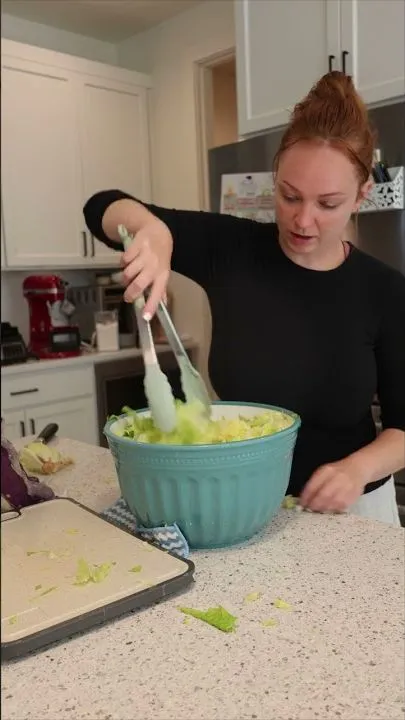
“And of course, it wouldn't be Olive Gardenwithout the salad. Last week, I found these clear containers at Dollar Tree,and I threw them in my cart because I figured I'd find a use for themeventually. Turns out they were the perfect size for individual salads. Ilayered in lettuce, tomato, red onions, pepperoncini, black olives, andcroutons. And I thought about portioning the dressing, too, but in the end I justsent the whole bottle with the lunches, so everyone can add as much or as littleas they wanted.”
- 05Finish, pack, and reflect on the completed project
Resolves the preparation sequence with the packed result, acknowledges an imperfect logistical detail, and gives emotional closure by connecting the work to its recipients and the creator's experience.
Finish the prepared component, pack the individual portions while noting a logistical limitation, then express satisfaction and close with the project’s personal significance and a hope to repeat it.
“Once the breadsticks came out of the oven, I brushed themwith melted butter and sprinkled them with garlic powder, and then it wasfinally time to pack everything up. These loaf pans fit almost perfectlyinside the lunch boxes with a breadstick, napkin, and fork. The saladand desserts had to ride separately today, but honestly, I really love howeverything turned out. This was my final lunch I got to make for the roboticscamp, and I genuinely had so much fun doing this. It was a lot of work, butfrom everything I've heard, the students have absolutely loved the lunches. Foodhas always been one of my favorite ways to show people I care, and getting tospend this week doing that for a group of students was something reallyspecial, and I hope I get the chance to do it again next year.”