This video explores the controversial practice of converting classic cars into electric vehicles using a Porsche 912 as a case study. It weighs the benefits of reliability and second lives for aging vehicles against the loss of original engine character and automotive soul.
Classic Porsche or EV? The Debate Over Electric Conversions
The presenter questions the styling of modern electric cars and reveals that the classic Porsche 912 shown has been converted to electric power. They weigh concerns about changing a classic against the benefits of keeping it on the road, then ask viewers whether conversion preserves or erases history.
- Views
- 2.2M
- Likes
- 257.7K
- Comments
- 3.1K
- Classic car EV conversionPorsche 912 conversionElectric car stylingClassic car preservation
Analysis
The presenter questions the styling of modern electric cars and reveals that the classic Porsche 912 shown has been converted to electric power. They weigh concerns about changing a classic against the benefits of keeping it on the road, then ask viewers whether conversion preserves or erases history.
- Talking headHot takeProblem–Solution
- Spoken
- Original
“Electric cars. Why do they have to look so electric?”
- On-screen text
- Original
“ELECTRIC CARS. WHY”
- Visual
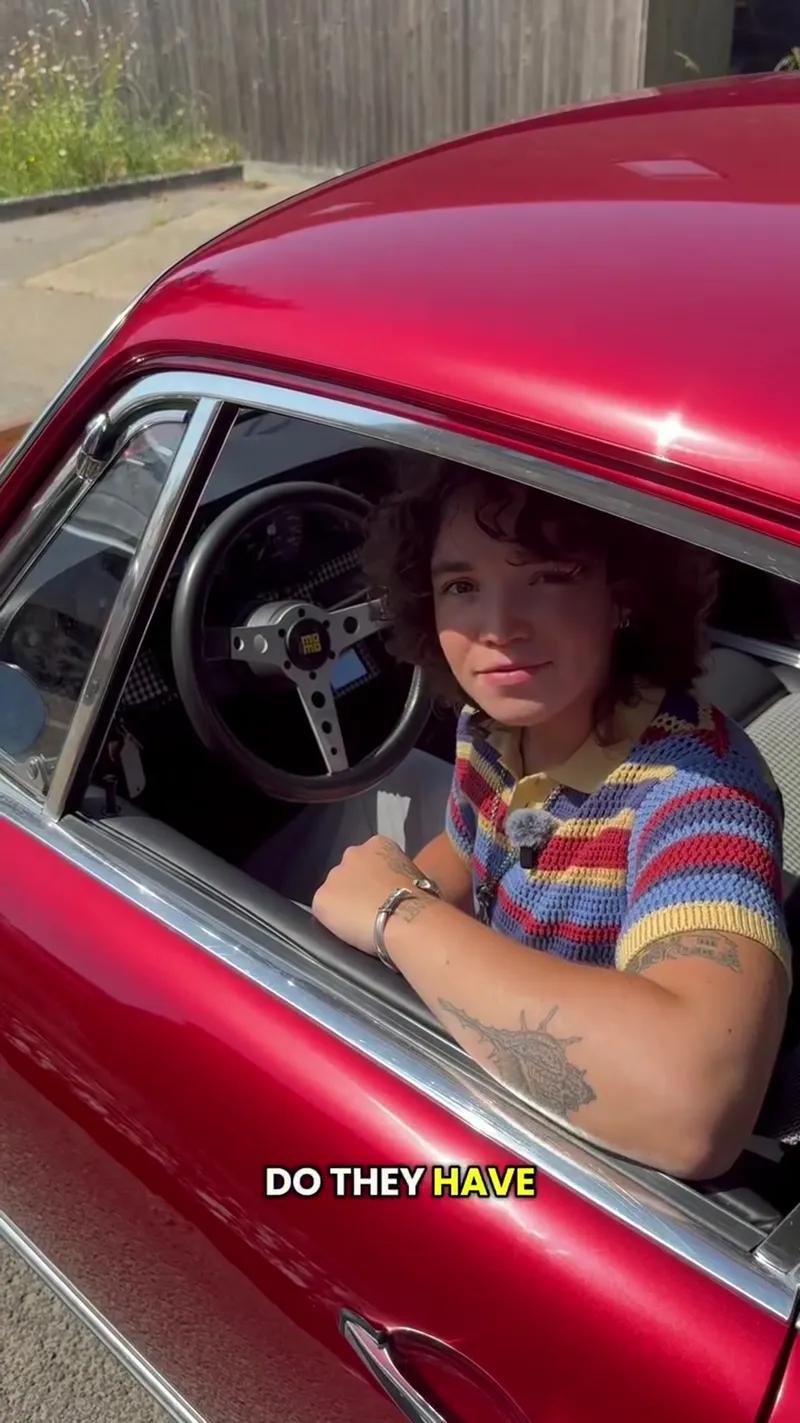
- Text-led compositionA medium-close view from outside a red classic car shows the speaker seated at the open window, looking toward the camera; the caption sits over the car door.
- The presenter is shown with the red classic Porsche being discussed, visually grounding the debate about its electric conversion.
“Electric cars. Why do they have to look so electric? Light bars, touch screens and a face that looks permanently annoyed. My issue with EVs has never been about the motor. It's been about the styling, because why can't they look like this? The Porsche 912. But what if I told you this doesn't have an engine at all? It's electric. Now, for some people, that is absolutely sacrilegious. Taking the heart out of a classic could be seen as a criminal offence. But others would argue that it's been given a second life. No oil leaks, no carburetors to argue with, no refusing to start. You just turn the key and go. The thing about what they're doing at Retro Electric is everything is reversible. Part of me thinks classic cars should smell of oil and that's part of the charm. But another part of me thinks it's better to see this Porsche on the road rather than rotting away in a garage. I'm not going to tell you whether I think it's right or wrong. I'm going to leave it to you. Do you think converting classic vehicles to electric is preserving history or erasing it?”
- 01Complaint and appealing exception
Sets up a specific criticism and makes the counterexample meaningful; the reveal reframes the example and invites the ensuing debate.
Questions why a category has an irritating or unattractive common feature, lists examples, then contrasts it with a preferred example and reveals that the example has an unexpected defining attribute.
“Electric cars. Why do they have to look so electric? Light bars, touch screens and a face that looks permanently annoyed. My issue with EVs has never been about the motor. It's been about the styling, because why can't they look like this? The Porsche 912. But what if I told you this doesn't have an engine at all? It's electric.”
- 02Opposing interpretations and tradeoffs
Complicates the initial reveal with competing values and grounds each side in consequences, rather than presenting a one-sided verdict.
Acknowledges that some may see the change as a violation, while others see it as renewal, then gives concrete practical advantages and concludes with a concise ease-of-use payoff.
“Now, for some people, that is absolutely sacrilegious. Taking the heart out of a classic could be seen as a criminal offence. But others would argue that it's been given a second life. No oil leaks, no carburetors to argue with, no refusing to start. You just turn the key and go.”
- 03Qualification and personal conflict
Shows the decision has meaningful tradeoffs even for the narrator, building toward a judgment without resolving the conflict.
Notes a relevant qualification about the process, then presents two conflicting personal reactions: affection for the original's character and preference for its continued use over deterioration.
“The thing about what they're doing at Retro Electric is everything is reversible. Part of me thinks classic cars should smell of oil and that's part of the charm. But another part of me thinks it's better to see this Porsche on the road rather than rotting away in a garage.”
- 04Withhold verdict and invite judgment
Resolves the narrator's promise not to take a final side by handing the judgment to viewers and ending with a clear, value-based question.
Declines to say whether the choice is right or wrong, explicitly leaves it to the audience, and asks them to assess the change as preservation or erasure.
“I'm not going to tell you whether I think it's right or wrong. I'm going to leave it to you. Do you think converting classic vehicles to electric is preserving history or erasing it?”