It's Boring, But Your VO₂ Max Will Blow Up
It's Boring, But Your VO₂ Max Will Blow Up
Shona and Lindsay discuss what can affect VO₂ max for runners, especially those over 50, and how realistic improvement may take time. They contrast hard intervals with consistent, easier training, explain what the VO₂ max measure represents, and caution that a watch reading may not capture the whole picture of running fitness.
- Views
- 229.9K
- Likes
- 1.8K
- Comments
- 90
- VO₂ Max TrainingRunning After 50Easy Runs and IntervalsFitness watch metrics
Analysis
Shona and Lindsay discuss what can affect VO₂ max for runners, especially those over 50, and how realistic improvement may take time. They contrast hard intervals with consistent, easier training, explain what the VO₂ max measure represents, and caution that a watch reading may not capture the whole picture of running fitness.
- ExplainerInterview

- Title
- It's Boring, But Your VO₂ Max Will Blow Up
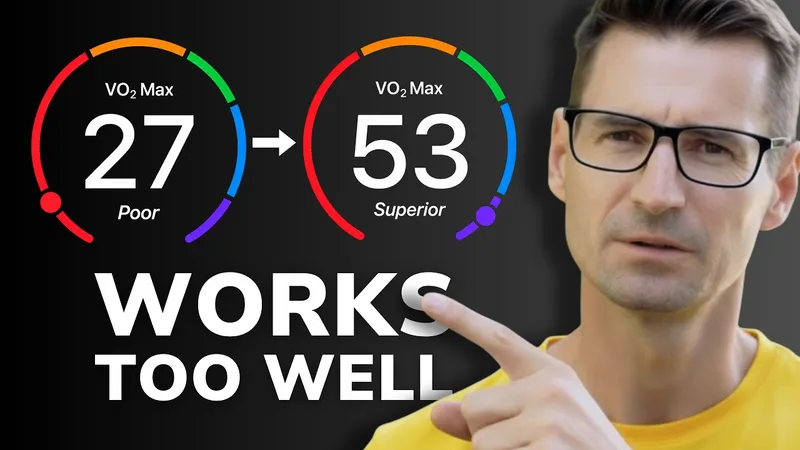
There are two ways runners try to increase VO2 max. The flashy way and the boring way. And if you are frustrated because your VO2 max is not improving or your watch number keeps dropping or every piece of advice online seems to contradict the next one, you're not alone. Some people will tell you VO2 max is all about brutal intervals. Some will say you need more mileage. Some will say you need one very specific workout with one very specific number of minutes. But after coaching thousands of runners, especially runners over 50, here is what we keep seeing. The flashy work can help, but the boring work often decides whether the flashy work actually works. So, in this video, Lindsay and I are going to show you how much you can realistically expect your VO2 max to improve, how quickly changes can happen, why easy running and intervals are not enemies, and the new concept in endurance training that explains why a good VO2 max number does not always mean you will run well when you are tired. Because VO2 max has become a very emotional number. People don't just see it as a measurement. They see it as judgment. If their watch says it's gone up, they feel fit. If it drops, they start wondering what they've done wrong. And if they are over 50, it can feel even worse because they start connecting that number to aging, slowing down, and losing the runner that they used to be. >> Exactly. And social media has made that worse because everyone wants fast results. A runner sees someone say, "I improved my VO2 max in 2 weeks." And suddenly they expect their own number to jump immediately. Then, if it does not, they think the plan is failing. So, we need to get proper expectations. VO2 max can improve and in some cases, it can improve fairly quickly, especially if you have not been doing much structured high-intensity work before. But a quick improvement is not the same as the deeper, more durable fitness that comes from months and years of consistent training. >> So, if someone is watching this asking, "Can I actually improve my VO2 max after 50?" The answer is yes, but the better question is what kind of improvements am I chasing and what am I willing to do consistently enough to keep it? >> Precisely, because a quick boost and long-term development are not the same. A short block of high-intensity training can give the body a strong stimulus. If you are ready for it, that can move VO2 max meaningfully. But, if you only chase the quick boost and ignore the boring work, you often hit the next problem. The same workout that helped at first stops giving you the same return. That is where runners over 50 often get frustrated. They think the answer is to push the same thing harder, but the body may be asking for better structure, not another punishing session. >> Before we go deeper, let's explain VO2 max properly. A lot of runners know the phrase, but they do not know what that number represents, right? >>
- 01Contrast and audience problem
Introduces the central opposition and connects it to recognizable problems, so viewers can see why the topic may matter to them.
Contrasts two approaches, then names several frustrations that can make the issue feel relevant to the audience.
“There are two ways runners try to increase VO2 max. The flashy way and the boring way. And if you are frustrated because your VO2 max is not improving or your watch number keeps dropping or every piece of advice online seems to contradict the next one, you're not alone.”
- 02Conflicting advice and experience-based view
Makes the disagreement concrete before offering a counterbalancing claim, giving viewers reason to hear how the approaches fit together.
Lists competing recommendations, then introduces an experience-based view: one approach can help, but another often determines whether it works.
“Some people will tell you VO2 max is all about brutal intervals. Some will say you need more mileage. Some will say you need one very specific workout with one very specific number of minutes. But after coaching thousands of runners, especially runners over 50, here is what we keep seeing. The flashy work can help, but the boring work often decides whether the flashy work actually works.”
- 03Episode roadmap
Sets expectations for the coming discussion and promises several connected explanations, including a qualification that complicates a simple reading of the central metric.
Previews realistic outcomes, timing, the relationship between two approaches, and a wider concept that changes how to interpret a result.
“So, in this video, Lindsay and I are going to show you how much you can realistically expect your VO2 max to improve, how quickly changes can happen, why easy running and intervals are not enemies, and the new concept in endurance training that explains why a good VO2 max number does not always mean you will run well when you are tired.”
- 04Why the metric feels personal
Adds human context to the promised explanation and shows why the number can matter beyond its technical meaning.
Explains that people can treat a measurement as a judgment, then describes how its rise or fall may change their interpretation of their fitness, especially with age.
“Because VO2 max has become a very emotional number. People don't just see it as a measurement. They see it as judgment. If their watch says it's gone up, they feel fit. If it drops, they start wondering what they've done wrong. And if they are over 50, it can feel even worse because they start connecting that number to aging, slowing down, and losing the runner that they used to be.”
- 05Fast-results expectations
Broadens the concern from personal interpretation to outside expectations and sets up the need for realistic expectations.
A second speaker connects social media to expectations of rapid results and describes how a short-term improvement claim can lead someone to see a slower result as failure.
>> Exactly. And social media has made that worse because everyone wants fast results. A runner sees someone say, "I improved my VO2 max in 2 weeks." And suddenly they expect their own number to jump immediately. Then, if it does not, they think the plan is failing.
- 06Qualify the payoff
Qualifies the promise rather than implying a quick gain is the whole story, preserving the distinction between an early result and longer-term development.
Calls for proper expectations, allows that improvement may happen fairly quickly under a stated condition, and distinguishes that from durable progress built through sustained effort.
“So, we need to get proper expectations. VO2 max can improve and in some cases, it can improve fairly quickly, especially if you have not been doing much structured high-intensity work before. But a quick improvement is not the same as the deeper, more durable fitness that comes from months and years of consistent training.”
- 07Audience question and central distinction
Gives a direct, qualified answer to a likely audience question while shifting attention to a more useful decision about goals and consistency.
Answers whether improvement is possible after a certain age, then reframes the question around the kind of improvement sought and what can be sustained consistently.
>> So, if someone is watching this asking, "Can I actually improve my VO2 max after 50?" The answer is yes, but the better question is what kind of improvements am I chasing and what am I willing to do consistently enough to keep it?
- 08Why structure matters
Develops the distinction between short-term change and sustained progress, then suggests that repeating the same hard effort may not address the underlying need for better structure.
A second speaker distinguishes a quick boost from long-term development, notes that a short high-intensity block can provide a strong stimulus, and cautions that relying on the quick boost while ignoring other work can lead to frustration and diminishing returns.
“>> Precisely, because a quick boost and long-term development are not the same. A short block of high-intensity training can give the body a strong stimulus. If you are ready for it, that can move VO2 max meaningfully. But, if you only chase the quick boost and ignore the boring work, you often hit the next problem. The same workout that helped at first stops giving you the same return. That is where runners over 50 often get frustrated. They think the answer is to push the same thing harder, but the body may be asking for better structure, not another punishing session.”
- 09Transition to the explanation
Marks the move from framing into a definition that will support the discussion. The ledger then begins the sustained explanation, so the introduction ends at this transition.
Announces a closer explanation of the key metric, then asks whether runners know what the familiar phrase actually represents.
“>> Before we go deeper, let's explain VO2 max properly. A lot of runners know the phrase, but they do not know what that number represents, right? >>”