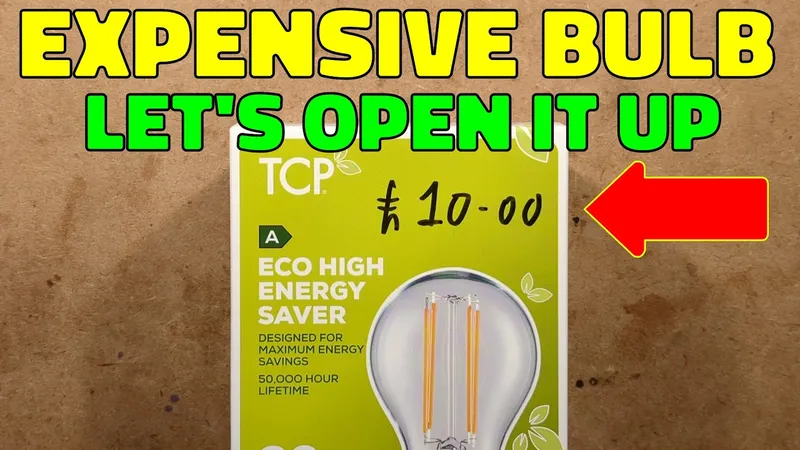
Inside an expensive TCP high efficiency light bulb from ASDA
bigclivedotcom@bigclivedotcomInside an expensive TCP high efficiency light bulb from ASDA
The video examines a costly TCP high-efficiency bulb bought at ASDA, testing its light and power use before taking it apart to inspect the circuitry. The source compares its design with Philips lamps and suggests a low-loss buck converter and LEDs run at lower current may explain its efficiency, while questioning the 50,000-hour lifespan claim.
- Views
- 249.4K
- Likes
- 5.4K
- Comments
- 486
- TCP LED bulb teardownLED driver circuitryEnergy-Saving BulbsBulb lifespan claims
Analysis
The video examines a costly TCP high-efficiency bulb bought at ASDA, testing its light and power use before taking it apart to inspect the circuitry. The source compares its design with Philips lamps and suggests a low-loss buck converter and LEDs run at lower current may explain its efficiency, while questioning the 50,000-hour lifespan claim.
- Demonstration
- Title
- Inside an expensive TCP high efficiency light bulb from ASDA
“A fancy and expensive light bulb sold in Asda in the UK, which is our equivalent of Walmart, for £10. I just tried rubbing that off to no effect. It was not a good idea. But it says eco-h high energy saver. Let me show you it lit. And then we can open it and we can take a look at the circuitry and see what makes it special. Now, for a start, what makes it special is apparently the size of the box. It's a massive box for a very, very ordinary size bulb. That must be to give it its value experience. Now, to avoid flicker in the hobby, I shall adjust the lighting. That should do it. A little bit of shimmer. So, my apologies if this light's flickers when I turn it in. I'm not sure. I've not tried it yet. First time trying it. It looks very bright. Its power consumption is 3.7 W. Power factor is.5. So, it's not a linear regulator. It's probably a buck regulator. And the current is about 30 milliamps. Okay. Let's uh get back to taking this apart then. So, the light output was pretty good and the color temperature was good, too. Uh that's probably where all the expenses. So, let's nibble our way in cuz this is the only way into these things.”
- 01Name the product and its price
This promptly establishes the product and the cost that makes it notable. The failed attempt to remove the price adds a small comic aside before the speaker turns to the product’s stated energy-saving claim.
The speaker introduces a fancy, expensive light bulb, identifies where it is sold, and gives its price, then jokes about trying unsuccessfully to rub the price off.
“A fancy and expensive light bulb sold in Asda in the UK, which is our equivalent of Walmart, for £10. I just tried rubbing that off to no effect. It was not a good idea. But it says eco-h high energy saver.”
- 02Promise the inspection
This states the episode’s central activity and sets an expectation for an internal examination, rather than leaving the price as the only reason to watch.
The speaker says they will show the bulb lit, then open it and inspect its circuitry to see what makes it special.
“Let me show you it lit. And then we can open it and we can take a look at the circuitry and see what makes it special.”
- 03Question the unusual packaging
This introduces a pointed discrepancy between the packaging and the product’s ordinary size. The ironic explanation keeps the opening light while adding an unresolved question about what actually makes the bulb distinctive.
The speaker initially suggests that the bulb’s large box may make it special, then contrasts that box with an ordinary-sized bulb and speculates that the size creates a value experience.
“Now, for a start, what makes it special is apparently the size of the box. It's a massive box for a very, very ordinary size bulb. That must be to give it its value experience.”
- 04Qualify the first test and readings
These details qualify the early observations and present them as initial rather than conclusive. The brief technical readings begin to frame what the later inspection may explain.
The speaker mentions adjusting the lighting to avoid flicker, apologizes for possible shimmer, says this is a first attempt, and gives initial brightness and electrical readings with tentative interpretations.
“Now, to avoid flicker in the hobby, I shall adjust the lighting. That should do it. A little bit of shimmer. So, my apologies if this light's flickers when I turn it in. I'm not sure. I've not tried it yet. First time trying it. It looks very bright. Its power consumption is 3.7 W. Power factor is.5. So, it's not a linear regulator. It's probably a buck regulator. And the current is about 30 milliamps.”
- 05Return to the promised teardown
This connects the preliminary assessment back to the promised inspection and hints at a possible explanation for the cost. The introduction ends as the speaker begins the concrete opening attempt.
The speaker says they will return to taking the bulb apart, briefly judges its light output and color temperature as good, and suggests that this may explain the expense before proposing a way inside.
“Okay. Let's uh get back to taking this apart then. So, the light output was pretty good and the color temperature was good, too. Uh that's probably where all the expenses. So, let's nibble our way in cuz this is the only way into these things.”