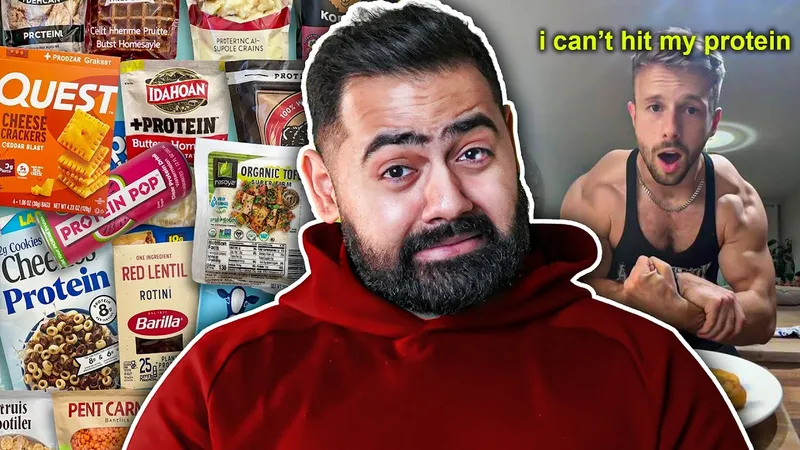
The Protein Slop Epidemic
The Protein Slop Epidemic
Dr Karan Rajan examines the rise of protein-enriched foods and supplements, questioning whether protein has become more of a marketing strategy than a basic nutrient. The opening discusses why demand grew and distinguishes general protein recommendations from amounts that may support muscle growth; the description signals later discussion of nutrient deficiencies and what to do.
- Views
- 1.1M
- Likes
- 8.2K
- Comments
- 974
- Protein marketingProtein intakeFood industry trendsMuscle growth
Analysis
Dr Karan Rajan examines the rise of protein-enriched foods and supplements, questioning whether protein has become more of a marketing strategy than a basic nutrient. The opening discusses why demand grew and distinguishes general protein recommendations from amounts that may support muscle growth; the description signals later discussion of nutrient deficiencies and what to do.
- Video essayExplainer

- Title
- The Protein Slop Epidemic
“In 2024, somewhere in a boardroom, a team of fully grown adults sat down, looked at each other dead in the eye, and asked the question humanity has apparently been crying out to have answered. What if protein, but you inhale it? Yes, protein vapes. A product designed to deliver a macronutrient your body absorbs through digestion via your lung. Quick medical note, the lungs are the one organ in your body that is never once in the history of respiration successfully built a bicep. I'd tell you not to try it, but if you're the kind of person shopping for protein vapes, you were never going to listen to a doctor anyway. Because that's not even the weird one anymore. We've got protein in the water, protein in the pasta, protein in the Snickers bar. If it can be manufactured, marketed, and put on a shelf, someone has already found a way to cram a whey isolate into it and slap a sticker on the front that says 20 g of protein like it's a papal blessing. [music] >> Add some protein. And now you can finally add some protein and enjoy your beverage. I forgot the protein. >> We've gone from protein is for bodybuilders to protein is a personality trait in about a decade. Comment below if you've got a protein shake in your bag right now. I'll wait. Sometime in the last 5 years, protein stopped being a nutrient and became a personality cult. And like most personality cults, everything becomes clear when you follow the money. The global protein snacks market alone is worth somewhere in the region of 55 to 60 billion this year, and it's on track to more than double by the early 2030s. But that's just the bars, powders, and supplements. In 2026, protein has invaded every food product imaginable, including junk food. Earlier this year, one of the biggest snack companies in the world launched a protein version of corn chip that was previously only associated with orange dust and regret. Because obviously nothing says balanced diet like adding protein to regret. This was described as a strategic move by that company's chief marketing officer. And when companies can charge a double the price of everyday foods that are protein enriched, this is one bandwagon food companies would be crazy not to jump on. So, how did protein stop being a nutrient and become a marketing strategy? And how much protein do you actually need? We've known for decades that eating high levels of protein was essential for building muscle, but in the 1970s, the only people who were concerned about it were bodybuilders. >> Well, I think the most important thing is that you eat the right way and that you get in the amount of protein that your body need. I always lift off the formula that for every pound of body weight I want to get 1 g of protein. >> For decades, the rest of us were told we needed to eat 0.8 g of protein per kilo or 0.36 g per pound of body weight. So, for someone weighing 180 lb or 81 kilos, this is around 65 g of protein. But, the science has moved on since then and there's some nuance that I need to explain to you. 0.8 g per kilogram is the population recommended minimum for healthy, non-elderly adults. However, this is very different from the optimal amount of protein that you need, which would depend on your lifestyle and your goals. For anyone regularly doing resistance training, 1.2 to 1.6 g of protein per kilogram seems to be the optimal for maximizing muscle growth.”
- 01Absurd product premise
This comic, improbable example establishes the opening’s argument about how far protein marketing can go, before the speaker uses a pointed health-related joke to signal skepticism.
A mock boardroom origin story leads into the idea of inhalable protein, followed by a blunt explanation of the product and a sarcastic medical aside.
“In 2024, somewhere in a boardroom, a team of fully grown adults sat down, looked at each other dead in the eye, and asked the question humanity has apparently been crying out to have answered. What if protein, but you inhale it? Yes, protein vapes. A product designed to deliver a macronutrient your body absorbs through digestion via your lung. Quick medical note, the lungs are the one organ in your body that is never once in the history of respiration successfully built a bicep.”
- 02From extreme example to everyday products
The turn from an extreme example to familiar products broadens the premise: protein branding is not confined to one novelty. The escalating examples and ridicule sustain interest in how pervasive the trend has become.
The speaker sarcastically dismisses the idea of warning the intended buyer, says protein vapes are no longer the strangest example, and lists protein-fortified everyday products and the marketing logic behind them.
“I'd tell you not to try it, but if you're the kind of person shopping for protein vapes, you were never going to listen to a doctor anyway. Because that's not even the weird one anymore. We've got protein in the water, protein in the pasta, protein in the Snickers bar. If it can be manufactured, marketed, and put on a shelf, someone has already found a way to cram a whey isolate into it and slap a sticker on the front that says 20 g of protein like it's a papal blessing. [music] >> Add some protein. And now you can finally add some protein and enjoy your beverage. I forgot the protein. >>”
- 03Trend, market, and guiding questions
This beat turns the satirical examples into the episode’s central subject: the growth and commercialization of protein branding. The market claim gives the trend scale, and the two questions set up both a marketing explanation and a nutrition discussion.
The speaker invites a viewer response, calls protein a personality cult, cites the snack-market estimate and forecast, gives a current example of a fortified snack, and asks how protein became a marketing strategy and how much is needed.
“We've gone from protein is for bodybuilders to protein is a personality trait in about a decade. Comment below if you've got a protein shake in your bag right now. I'll wait. Sometime in the last 5 years, protein stopped being a nutrient and became a personality cult. And like most personality cults, everything becomes clear when you follow the money. The global protein snacks market alone is worth somewhere in the region of 55 to 60 billion this year, and it's on track to more than double by the early 2030s. But that's just the bars, powders, and supplements. In 2026, protein has invaded every food product imaginable, including junk food. Earlier this year, one of the biggest snack companies in the world launched a protein version of corn chip that was previously only associated with orange dust and regret. Because obviously nothing says balanced diet like adding protein to regret. This was described as a strategic move by that company's chief marketing officer. And when companies can charge a double the price of everyday foods that are protein enriched, this is one bandwagon food companies would be crazy not to jump on. So, how did protein stop being a nutrient and become a marketing strategy? And how much protein do you actually need?”
- 04Initial nutrition answer and qualification
This is the introduction’s first substantive answer to the nutrition question, but it qualifies the answer by distinguishing general minimum guidance from goals that depend on lifestyle. The excerpt ends during the explanation, so the promised nuance is not complete here.
The speaker supplies historical context and a brief guest exchange about protein targets, then distinguishes a population minimum from a context-dependent optimal amount and begins specifying a range for people doing resistance training.
“We've known for decades that eating high levels of protein was essential for building muscle, but in the 1970s, the only people who were concerned about it were bodybuilders. >> Well, I think the most important thing is that you eat the right way and that you get in the amount of protein that your body need. I always lift off the formula that for every pound of body weight I want to get 1 g of protein. >> For decades, the rest of us were told we needed to eat 0.8 g of protein per kilo or 0.36 g per pound of body weight. So, for someone weighing 180 lb or 81 kilos, this is around 65 g of protein. But, the science has moved on since then and there's some nuance that I need to explain to you. 0.8 g per kilogram is the population recommended minimum for healthy, non-elderly adults. However, this is very different from the optimal amount of protein that you need, which would depend on your lifestyle and your goals. For anyone regularly doing resistance training, 1.2 to 1.6 g of protein per kilogram seems to be the optimal for maximizing muscle growth.”