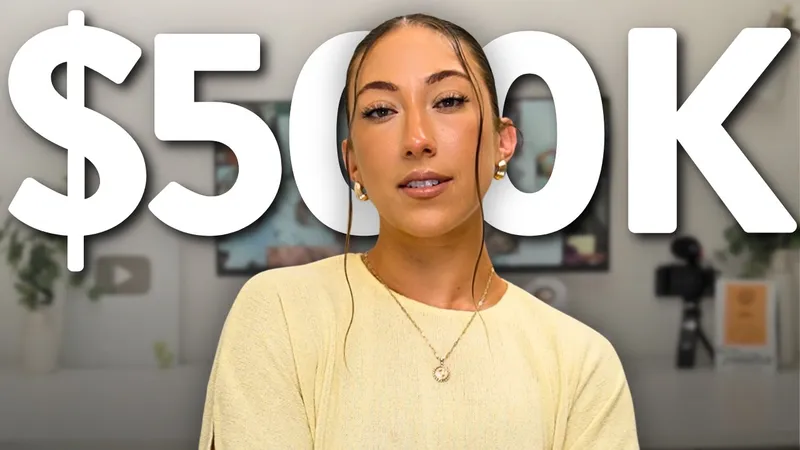
7 Lessons from $500k in Brand Deals | collaboration tips for content creators
7 Lessons from $500k in Brand Deals | collaboration tips for content creators
A creator shares seven lessons from her experience earning over $500,000 through brand collaborations. The opening lesson frames a creator’s profile as a portfolio, recommending a clear niche, consistent posting, and naturally featuring brands to help attract partnerships; the video also promises advice on pitching, rates, and relationship building.
- Views
- 664.6K
- Likes
- 550
- Comments
- 48
- Brand deal lessonsCreator sponsorshipsSocial media brandingPitching and Relationships
Analysis
A creator shares seven lessons from her experience earning over $500,000 through brand collaborations. The opening lesson frames a creator’s profile as a portfolio, recommending a clear niche, consistent posting, and naturally featuring brands to help attract partnerships; the video also promises advice on pitching, rates, and relationship building.
- TutorialMonologue
- Title
- 7 Lessons from $500k in Brand Deals | collaboration tips for content creators
Over the past few years, I have worked with hundreds of brands and have made over $500,000 from brand collaborations. So, I thought I would take today's video to share with you the seven biggest lessons that I've learned from doing brand collabs over the past 7 years. We'll be talking about how to get on brands' radars, ways that you could get paid even more with your content, best practices for pitching, relationship building, and so much more. As always, timestamps are below. Use them if you need them, and let's jump in. Lesson one, your profile is your portfolio. If you want to truly get on a brand's radar, you need to be treating your social media profile like it is your resume or your portfolio. What I mean by that is if you were applying to a job, let's say you want to be a barista at a coffee shop, and your resume has a bunch of unrelated skills experience, right? It's like, "Oh, I've ran a marathon. Oh, and I also was a social media manager for this one company, and I also used to do drivers ed, or I was like I guess I was a teacher." Like, if you just list a bunch of like unrelated things to the job that you're applying for, the odds of you getting hired are pretty low. That's kind of the same thing with making sure your profile is your resume, is your personal brand. So, that's actually one of the reasons why like niching down or having some sort of niche is actually helpful and a superpower because it brings in a bunch of brand deals. Is it clear in your bio who you are, the type of creator you are, the content you create, who you create for?
- 01Experience and lesson promise
This establishes the speaker’s stated basis for the advice and gives viewers a clear expectation of the lesson set and its topics.
The speaker claims substantial experience and earnings from brand collaborations, then promises seven lessons and previews several areas of advice.
“Over the past few years, I have worked with hundreds of brands and have made over $500,000 from brand collaborations. So, I thought I would take today's video to share with you the seven biggest lessons that I've learned from doing brand collabs over the past 7 years. We'll be talking about how to get on brands' radars, ways that you could get paid even more with your content, best practices for pitching, relationship building, and so much more. As always, timestamps are below. Use them if you need them, and let's jump in.”
- 02Profile as portfolio
The example makes the first lesson concrete and introduces a practical question: whether a creator’s profile clearly signals who they are, what they make, and whom they make it for.
The first lesson compares a social media profile to a résumé or portfolio. A hypothetical barista job application illustrates how unrelated experience can weaken a presentation, before the speaker connects that analogy to a creator’s personal brand and niche.
Lesson one, your profile is your portfolio. If you want to truly get on a brand's radar, you need to be treating your social media profile like it is your resume or your portfolio. What I mean by that is if you were applying to a job, let's say you want to be a barista at a coffee shop, and your resume has a bunch of unrelated skills experience, right? It's like, "Oh, I've ran a marathon. Oh, and I also was a social media manager for this one company, and I also used to do drivers ed, or I was like I guess I was a teacher." Like, if you just list a bunch of like unrelated things to the job that you're applying for, the odds of you getting hired are pretty low. That's kind of the same thing with making sure your profile is your resume, is your personal brand. So, that's actually one of the reasons why like niching down or having some sort of niche is actually helpful and a superpower because it brings in a bunch of brand deals. Is it clear in your bio who you are, the type of creator you are, the content you create, who you create for?