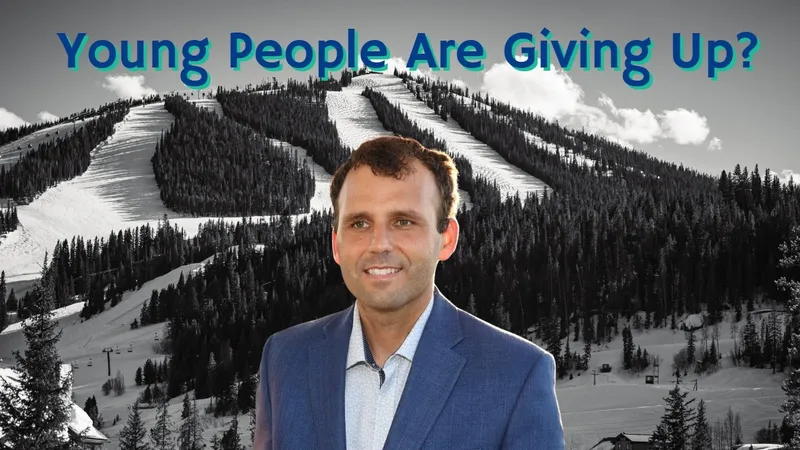
Gen Z Economics: No Stocks, No House, No Reason to Care
Analyzing Finance with Nick@AFNickGen Z Economics: No Stocks, No House, No Reason to Care
The presentation links Zoran Mamdani’s New York mayoral victory to a wider generational divide in economic sentiment. It discusses the chances of out-earning one’s parents and argues that inflation feels different across age groups, especially as housing, healthcare and education costs weigh on younger people.
- Views
- 352.7K
- Likes
- 4.6K
- Comments
- 1.5K
- Generational economic sentimentYouth financial prospectsInflation and Housing CostsIntergenerational mobility
Analysis
The presentation links Zoran Mamdani’s New York mayoral victory to a wider generational divide in economic sentiment. It discusses the chances of out-earning one’s parents and argues that inflation feels different across age groups, especially as housing, healthcare and education costs weigh on younger people.
- ExplainerCommentary

- Title
- Gen Z Economics: No Stocks, No House, No Reason to Care
“Before we jump into this video, we got a quick disclaimer. I'm a partner at a wealth management firm in Newport Beach, California called Spearhead Advisors. This communication is forformational educational purposes only and is not in specific investment advice. Please do your own due diligence or have an adviser help you before making any specific investment decisions. If you have any direct questions for me about your finances or investments or really that's some more your individual personal situation, feel free to reach out directly to me via my contact form on my website or through the consultation form pinned in the pinned comment or in the description. And today we are going to um have this presentation about the generational divide in economics. Basically the election of Zoron Mandami in New York was kind of a symptom of a broader cause. It was this idea that you have this generational divide and economic sentiment. Um you have people who are in older generations who are very optimistic about the economy. They're very optimistic about their futures. And on the other hand you have younger generations particularly Gen Z which is those under 30 who are extremely pessimistic about the economy. Um there's kind of a paradox here in the sense that um the Gen Z's on one hand only 30 39% of them believe that their finances are bad where like on the where compared to baby boomers it's only 14%. Whereas on the other hand, you have 68% of Gen Z who believe their finances will materially improve within the next 12 months versus just 46% of baby boomers who feel the same way. So there still is some optimism in there even if it's not really expressed in the public narrative. But why is this general economic pessimism happening? And why is there a very strong negative correlation between age and how you view how well America is doing? The first one is really just it's harder to beat your parents today in terms of economic success than it was in previous generations.”
- 01Disclaimer and credentials
This disclosure establishes the speaker's professional context while limiting what the video should be taken as. It frames the discussion before the economic topic begins.
The speaker identifies a financial-advisory role, gives an investment-advice disclaimer, and points viewers with individual questions to consultation channels.
“Before we jump into this video, we got a quick disclaimer. I'm a partner at a wealth management firm in Newport Beach, California called Spearhead Advisors. This communication is forformational educational purposes only and is not in specific investment advice. Please do your own due diligence or have an adviser help you before making any specific investment decisions. If you have any direct questions for me about your finances or investments or really that's some more your individual personal situation, feel free to reach out directly to me via my contact form on my website or through the consultation form pinned in the pinned comment or in the description.”
- 02Topic and generational contrast
This names the subject and sets up the divide the discussion will examine. The opposing outlooks make the relationship between generation and economic sentiment central to the opening.
The speaker introduces a presentation about a generational economic divide, relates it to a recent political event as a symptom of a broader cause, and contrasts older generations' optimism with younger generations' pessimism.
“And today we are going to um have this presentation about the generational divide in economics. Basically the election of Zoron Mandami in New York was kind of a symptom of a broader cause. It was this idea that you have this generational divide and economic sentiment. Um you have people who are in older generations who are very optimistic about the economy. They're very optimistic about their futures. And on the other hand you have younger generations particularly Gen Z which is those under 30 who are extremely pessimistic about the economy.”
- 03Statistics, questions, and initial answer
The figures introduce a tension between present financial assessments and expectations for improvement. The questions point toward causes, and the first answer starts the explanation. This is where the supplied opening shifts into sustained main explanation, so the excerpt does not support extending the introduction further.
The speaker presents figures that complicate the pessimism narrative, asks why economic pessimism and age are related, then begins an explanation with the claim that surpassing one's parents economically is harder today.
“Um there's kind of a paradox here in the sense that um the Gen Z's on one hand only 30 39% of them believe that their finances are bad where like on the where compared to baby boomers it's only 14%. Whereas on the other hand, you have 68% of Gen Z who believe their finances will materially improve within the next 12 months versus just 46% of baby boomers who feel the same way. So there still is some optimism in there even if it's not really expressed in the public narrative. But why is this general economic pessimism happening? And why is there a very strong negative correlation between age and how you view how well America is doing? The first one is really just it's harder to beat your parents today in terms of economic success than it was in previous generations.”