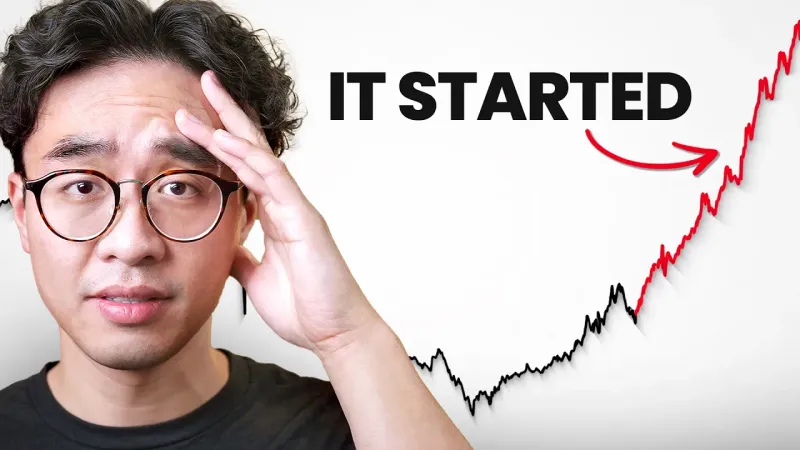
If You Don't Understand Bonds, You Don't Understand Money
Vincent Chan@VincentChanIf You Don't Understand Bonds, You Don't Understand Money
Vincent Chan introduces the bond market, describing it as a large market that can affect housing costs, stock performance and jobs. He begins explaining bonds with a house-buying analogy and says the video will cover how the market works and how it connects to everyday financial decisions.
- Views
- 438.7K
- Likes
- 16K
- Comments
- 1.4K
- Bond market basicsBond market mechanicsInterest Rates and HousingBonds and the Economy
Analysis
Vincent Chan introduces the bond market, describing it as a large market that can affect housing costs, stock performance and jobs. He begins explaining bonds with a house-buying analogy and says the video will cover how the market works and how it connects to everyday financial decisions.
- ExplainerTutorial
- Title
- If You Don't Understand Bonds, You Don't Understand Money
“Did you know there's a market worth over Did you know there's a market worth over Did you know there's a market worth over a hundred and thirty trillion dollars a hundred and thirty trillion dollars a hundred and thirty trillion dollars that impacts how much houses cost, how that impacts how much houses cost, how that impacts how much houses cost, how the stock market performs, and whether the stock market performs, and whether the stock market performs, and whether you have a job? As someone who used to you have a job? As someone who used to you have a job? As someone who used to work on Wall Street and has been in the work on Wall Street and has been in the work on Wall Street and has been in the finance space for nearly a finance space for nearly a finance space for nearly a decade now, I can tell you that most decade now, I can tell you that most decade now, I can tell you that most people have no idea how this market people have no idea how this market people have no idea how this market works or what it even is. And works or what it even is. And works or what it even is. And no, it's not crypto or the stock market. no, it's not crypto or the stock market. no, it's not crypto or the stock market. It's the bond market. And in this video, It's the bond market. And in this video, It's the bond market. And in this video, I'll explain what the bond market is, I'll explain what the bond market is, I'll explain what the bond market is, how it works, and how almost how it works, and how almost how it works, and how almost every financial decision you make traces every financial decision you make traces every financial decision you make traces back to the seesaw. But, more on this back to the seesaw. But, more on this back to the seesaw. But, more on this later. And by the end of the later. And by the end of the later. And by the end of the video, you'll know how to make the bond video, you'll know how to make the bond video, you'll know how to make the bond market work for you instead of against market work for you instead of against market work for you instead of against you. But first, you need to understand you. But first, you need to understand you. But first, you need to understand one simple concept, which is what one simple concept, which is what one simple concept, which is what actually is a bond.”
- 01Raise the scale and relevance
Make the unfamiliar market seem consequential beyond its own niche, then invite the viewer to consider whether it affects them.
Ask whether the audience knows of a large market, claim its scale, and connect it to several practical consequences before posing a question about the viewer’s circumstances.
“Did you know there's a market worth over Did you know there's a market worth over Did you know there's a market worth over a hundred and thirty trillion dollars a hundred and thirty trillion dollars a hundred and thirty trillion dollars that impacts how much houses cost, how that impacts how much houses cost, how that impacts how much houses cost, how the stock market performs, and whether the stock market performs, and whether the stock market performs, and whether you have a job? As someone who used to you have a job? As someone who used to you have a job? As someone who used to”
- 02Establish relevant experience and the knowledge gap
Offer a reason to trust the explanation while emphasizing that this consequential market is often misunderstood and is not the familiar alternatives.
The speaker cites relevant professional experience, then says most people do not know how the market works or what it is, before distinguishing it from two more familiar markets.
“work on Wall Street and has been in the work on Wall Street and has been in the work on Wall Street and has been in the finance space for nearly a finance space for nearly a finance space for nearly a decade now, I can tell you that most decade now, I can tell you that most decade now, I can tell you that most people have no idea how this market people have no idea how this market people have no idea how this market works or what it even is. And works or what it even is. And works or what it even is. And no, it's not crypto or the stock market. no, it's not crypto or the stock market. no, it's not crypto or the stock market.”
- 03Name the market and promise the explanation
State the episode’s subject and route, then connect the explanation to viewers’ financial decisions. The transcript cuts off as the speaker begins the next concept, so this is the end of the supplied opening, not evidence of a completed introduction boundary.
The speaker identifies the bond market, previews an explanation of what it is and how it works, connects financial decisions to a seesaw, and promises viewers a way to understand the market’s effects on them.
“It's the bond market. And in this video, It's the bond market. And in this video, It's the bond market. And in this video, I'll explain what the bond market is, I'll explain what the bond market is, I'll explain what the bond market is, how it works, and how almost how it works, and how almost how it works, and how almost every financial decision you make traces every financial decision you make traces every financial decision you make traces back to the seesaw. But, more on this back to the seesaw. But, more on this back to the seesaw. But, more on this later. And by the end of the later. And by the end of the later. And by the end of the video, you'll know how to make the bond video, you'll know how to make the bond video, you'll know how to make the bond market work for you instead of against market work for you instead of against market work for you instead of against you. But first, you need to understand you. But first, you need to understand you. But first, you need to understand one simple concept, which is what one simple concept, which is what one simple concept, which is what actually is a bond.”