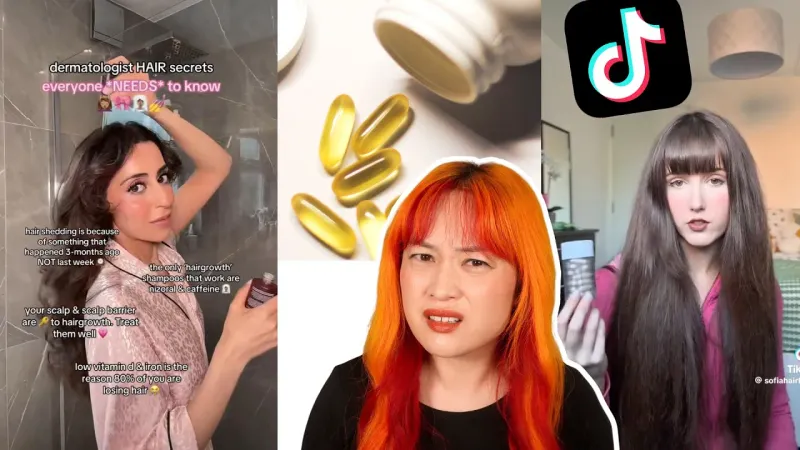
Which viral hair hacks actually work? Supplements, shampoos, curly care
Lab Muffin Beauty Science@LabMuffinBeautyScienceWhich viral hair hacks actually work? Supplements, shampoos, curly care
Michelle fact-checks viral haircare claims about ingredients said to cause hair loss, supplements, shampoos and curly-hair methods. The video also covers product recalls and vitamin deficiencies, with a hair-loss expert appearing to share advice. The opening challenges claims about common shampoo ingredients and explains why their cited source may be unreliable.
- Views
- 262K
- Likes
- 12.4K
- Comments
- 872
- Viral Haircare Fact-ChecksHair growth supplementsShampoo ingredientsCurly hair careHair loss advice
Analysis
Michelle fact-checks viral haircare claims about ingredients said to cause hair loss, supplements, shampoos and curly-hair methods. The video also covers product recalls and vitamin deficiencies, with a hair-loss expert appearing to share advice. The opening challenges claims about common shampoo ingredients and explains why their cited source may be unreliable.
- CommentaryExplainerInterview

- Title
- Which viral hair hacks actually work? Supplements, shampoos, curly care
It's time for another round of fact-checking TikTok and Instagram hair tips. I'm Michelle, I'm a chemistry PhD, science communicator, and hair science nerd. Today we're covering hair growth supplements and shampoos, dangerous ingredients that might make your hair fall out, product recalls, and some stuff I think is just scientifically interesting and I hope you'll think so too. Let's get started. Man: What chemicals in cosmetics cause hair loss? And I find this medical article on five ingredients that are added to cosmetics that are known to kill hair follicles and make you lose your hair. And all of them were in my kids' shampoo and conditioners that they thought were healthy versions of shampoos and conditioners, better than Pantene, Head and Shoulders, whatever. M: Okay, so first off, this article - if you look it up, it is not a medical article. It's an article on the website of a brand that sells a hair laser device. A lot of brands do this. They write articles on things that aren't actually relevant to their product for SEO purposes, that is search engine optimization. Basically, it's so when people are Googling things like "ingredients to avoid for hair loss", they end up on your website and you can sell them laser hair helmets. The problem is, a lot of the time they aren't actually experts on this other related thing. These are just written on what they find on the internet. And for this one, it was written originally in 2024, which means they probably just used ChatGPT. If you don't already know, ChatGPT - the way it works is, it basically mashes together the top whatever Google search results. It doesn't fact check, it's just all of the most common stuff on the internet mashed together. The author, it says it is the brand CEO, and he supposedly is a medical scientist, but I feel like it's more likely he's outsourced to an intern who has used ChatGPT. I'm not sure why there's a lady on the side, I think this is like a lazy reaction video. It does say "comment BETTER for non-tox options". I'm pretty sure that will send you a DM with a bunch of affiliate links and if you buy the products she recommends, then she gets a cut of that. Anyway, these five ingredients are sulfates, parabens, phthalates, silicones, and formaldehyde releasing preservatives. These are all standard ingredients that clean beauty brands tend to fearmonger about. I've talked about all of these before a whole bunch, and why the risks of these are really not what they're made out to be. But this article, it just has the standard stuff. It doesn't actually say anything about killing hair follicles like the guy said, and they don't actually do that unless you do something very weird. Like maybe if you put a sulfate-containing shampoo on your head and you just don't rinse it off for like four hours every day - that is going to be pretty irritating and could cause hair loss. But unless you're allergic, normal use is not going to be an issue. So this guy, he's not even basing what he's saying on this medical article. He's just saying "medical article", so you think he must be reliable. Man: I'm just gonna give you one tip: if you care about keeping your hair, most shampoos and conditioners have a chemical in them called dimethicone. Dimethicone actually kills hair follicles and makes you lose your hair. So if you don't wanna become a slave to Rogaine, or you don't want to have to have plugs put in your head in the future because you're losing your hair, just know there's chemicals that the industry's aware they're adding to your cosmetics that are creating really horrific problems.
- 01Identify the fact-check and establish expertise
This quickly establishes the episode’s format and the host’s reason for evaluating the claims, while setting expectations for the topics.
The host introduces another round of social-media hair-tip fact-checking, gives her relevant credentials, and previews the subjects she will cover.
“It's time for another round of fact-checking TikTok and Instagram hair tips. I'm Michelle, I'm a chemistry PhD, science communicator, and hair science nerd. Today we're covering hair growth supplements and shampoos, dangerous ingredients that might make your hair fall out, product recalls, and some stuff I think is just scientifically interesting and I hope you'll think so too. Let's get started.”
- 02Present the alarming claim
The striking claim supplies a specific example for the fact-check, and the personal detail makes clear why the claim could matter to someone choosing products.
A clip asks what cosmetic chemicals cause hair loss, cites an article about five ingredients, and claims those ingredients kill follicles. The speaker adds that the products were used by her children because they seemed like healthier alternatives.
“Man: What chemicals in cosmetics cause hair loss? And I find this medical article on five ingredients that are added to cosmetics that are known to kill hair follicles and make you lose your hair. And all of them were in my kids' shampoo and conditioners that they thought were healthy versions of shampoos and conditioners, better than Pantene, Head and Shoulders, whatever.”
- 03Check the source and explain its incentive
The correction undermines the source’s claimed medical authority and gives viewers a reason to examine who published the article and why.
The host corrects the clip’s description of the article, identifies it as a brand’s website, and explains how search-oriented articles can attract potential customers for the brand’s product.
M: Okay, so first off, this article - if you look it up, it is not a medical article. It's an article on the website of a brand that sells a hair laser device. A lot of brands do this. They write articles on things that aren't actually relevant to their product for SEO purposes, that is search engine optimization. Basically, it's so when people are Googling things like "ingredients to avoid for hair loss", they end up on your website and you can sell them laser hair helmets.
- 04Question the article’s expertise
This develops the source-credibility issue while preserving the host’s uncertainty about how the article was produced.
The host says the publishers may not be experts on the related subject, suggests they compiled material found online, and notes that the article was originally written in 2024 and may have used ChatGPT. She then questions the article’s stated author credentials and speculates that the work could have been outsourced.
“The problem is, a lot of the time they aren't actually experts on this other related thing. These are just written on what they find on the internet. And for this one, it was written originally in 2024, which means they probably just used ChatGPT. If you don't already know, ChatGPT - the way it works is, it basically mashes together the top whatever Google search results. It doesn't fact check, it's just all of the most common stuff on the internet mashed together. The author, it says it is the brand CEO, and he supposedly is a medical scientist, but I feel like it's more likely he's outsourced to an intern who has used ChatGPT. I'm not sure why there's a lady on the side, I think this is like a lazy reaction video.”
- 05Flag a possible sales incentive
This raises a potential conflict of interest that further qualifies the advice, while presenting the host’s prediction as her own suspicion.
The host reads a call to comment for alternatives, then says she suspects it will lead to a direct message with affiliate links and that the recommender earns a commission if viewers buy.
It does say "comment BETTER for non-tox options". I'm pretty sure that will send you a DM with a bunch of affiliate links and if you buy the products she recommends, then she gets a cut of that.
- 06Correct the ingredient claim
This provides the central correction to the opening’s alarming claim, with qualifications that distinguish ordinary use from the unusual scenario described.
The host names the five ingredients, says clean-beauty brands often warn about them, and qualifies that assessment by noting she has discussed the ingredients before. She says their risks are not what the warnings imply, and the article does not support the claim that they kill follicles. She gives an unusual prolonged-exposure example, then says normal use is not an issue unless someone is allergic.
“Anyway, these five ingredients are sulfates, parabens, phthalates, silicones, and formaldehyde releasing preservatives. These are all standard ingredients that clean beauty brands tend to fearmonger about. I've talked about all of these before a whole bunch, and why the risks of these are really not what they're made out to be. But this article, it just has the standard stuff. It doesn't actually say anything about killing hair follicles like the guy said, and they don't actually do that unless you do something very weird. Like maybe if you put a sulfate-containing shampoo on your head and you just don't rinse it off for like four hours every day - that is going to be pretty irritating and could cause hair loss. But unless you're allergic, normal use is not going to be an issue.”
- 07Return to the clip’s unsupported authority claim
The host identifies the gap between the cited source and the claim, then the second clip introduces another concrete allegation. The supplied excerpt ends during that clip, so the wider introduction’s endpoint is not available here.
The host says the speaker is not basing the claim on the cited article, but invokes the phrase “medical article” to make it sound reliable. A second clip begins, with its speaker claiming that a common ingredient kills follicles and causes hair loss, then warning of future consequences.
So this guy, he's not even basing what he's saying on this medical article. He's just saying "medical article", so you think he must be reliable. Man: I'm just gonna give you one tip: if you care about keeping your hair, most shampoos and conditioners have a chemical in them called dimethicone. Dimethicone actually kills hair follicles and makes you lose your hair. So if you don't wanna become a slave to Rogaine, or you don't want to have to have plugs put in your head in the future because you're losing your hair, just know there's chemicals that the industry's aware they're adding to your cosmetics that are creating really horrific problems.