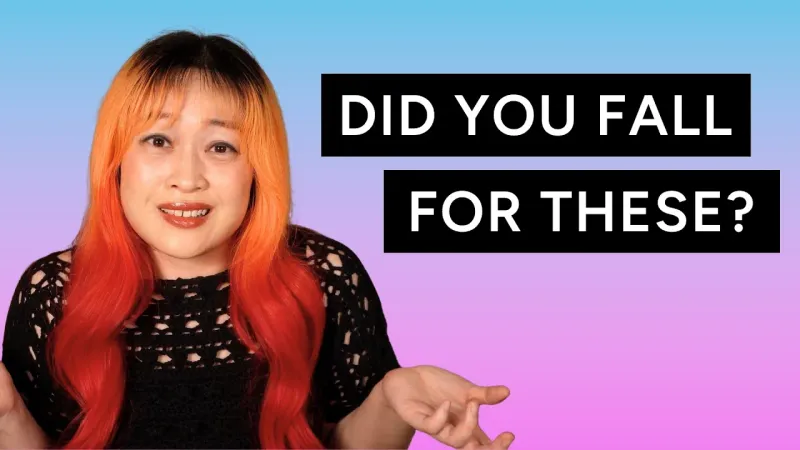
Skincare myths I used to believe
Lab Muffin Beauty Science@LabMuffinBeautyScienceSkincare myths I used to believe
Michelle discusses skincare myths she once believed, why they seemed convincing, and what to do instead. The opening challenges the idea that chemical sunscreens need extra time to activate, explaining that both chemical and mineral sunscreens block UV right away; the description also lists segments on ingredients, peeling gels, and hyaluronic acid.
- Views
- 209.3K
- Likes
- 11.2K
- Comments
- 701
- Skincare myth debunkingSunscreen applicationSkincare ingredient scienceHyaluronic acid
Analysis
Michelle discusses skincare myths she once believed, why they seemed convincing, and what to do instead. The opening challenges the idea that chemical sunscreens need extra time to activate, explaining that both chemical and mineral sunscreens block UV right away; the description also lists segments on ingredients, peeling gels, and hyaluronic acid.
- ExplainerMonologue

- Title
- Skincare myths I used to believe
“I have debunked so many skincare myths, and for a lot of them you might think it is really obvious that they're wrong. But the reason they spread: they sound like they might be true. So some of the myths I've debunked are myths that I used to believe. So in the spirit of learning and growing and becoming generally better people, let's talk about skincare myths I used to believe, why they're wrong, and what to do instead. I'm Michelle, chemistry PhD and skincare nerd who is slightly obsessed with myths, because I just hate doing things that don't actually help me get to my goals. So as we're going through these myths, I'm also going to talk about why I believe them in the first place because correcting these processes is how we stop falling for more. Let me know the myths you believed in the comments and let's start today's meeting of Critical Thinking Club.”
- 01Why the myths spread
This frames the topic as more than a list of false claims: their plausibility is part of the problem. It gives the viewer a reason to consider which beliefs may have seemed true to them.
The speaker says she has debunked many skincare myths, notes that some can seem obviously wrong, and explains that they spread because they sound plausible.
“I have debunked so many skincare myths, and for a lot of them you might think it is really obvious that they're wrong. But the reason they spread: they sound like they might be true.”
- 02Personal connection and episode scope
The personal admission connects the subject to lived experience, while the scope makes the promised corrections concrete and relevant.
She reveals that some of the myths were ones she used to believe, then previews discussing the myths, why they are wrong, and what to do instead.
“So some of the myths I've debunked are myths that I used to believe. So in the spirit of learning and growing and becoming generally better people, let's talk about skincare myths I used to believe, why they're wrong, and what to do instead.”
- 03Credentials and reason for the topic
The credential provides relevant context for her account; her stated reason connects myth correction to practical outcomes rather than treating it as trivia.
The speaker gives her name and relevant credentials, describes her interest in myths, and explains that she dislikes doing things that do not help her reach her goals.
“I'm Michelle, chemistry PhD and skincare nerd who is slightly obsessed with myths, because I just hate doing things that don't actually help me get to my goals.”
- 04How the discussion will examine belief
This extends the roadmap from correcting claims to examining how beliefs form, and gives viewers a clear way to participate. The show identification closes the framing before the first myth begins.
She says she will explain why she believed the myths in the first place, links correcting those processes to avoiding future myths, invites viewers to comment with myths they believed, and introduces the recurring Critical Thinking Club format.
“So as we're going through these myths, I'm also going to talk about why I believe them in the first place because correcting these processes is how we stop falling for more. Let me know the myths you believed in the comments and let's start today's meeting of Critical Thinking Club.”