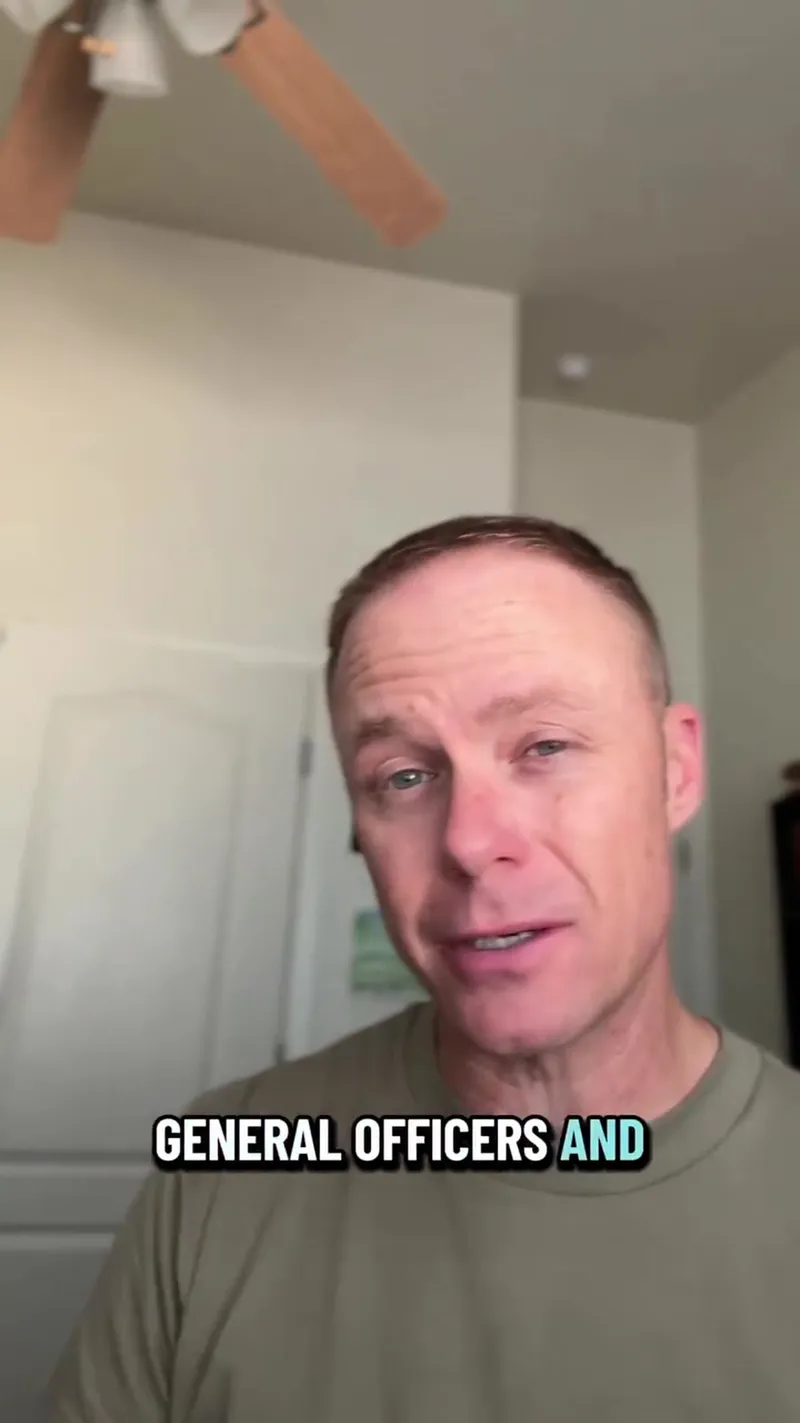
A senior military officer shares three essential tips for successfully briefing high-level leaders and executives. He focuses on maintaining strong posture, prioritizing human eye contact over slides, and using a concise risk-recommendation-impact framework.
How to Brief Senior Executives: 3 Military-Tested Tips
A senior military officer shares three essential tips for successfully briefing high-level leaders and executives. He focuses on maintaining strong posture, prioritizing human eye contact over slides, and using a concise risk-recommendation-impact framework.
- Views
- 133.8K
- Likes
- 5.9K
- Comments
- 90
- Topics
Analysis
You want to learn to brief general officers and senior executives? Here's the no BS way you're going to do it.
You want to learn to brief general officers and senior executives? Here's the no BS way you're going to do it. I'm Keith, I'm a senior military officer. I've been briefing general officers for a long time and training my teammates to do the same thing. So here's how I do it. I'm giving this stuff away for free as I prepare for my military retirement next year. Number one, posture. Your posture probably sucks. It's more important than you realize. Keep your chest puffed out, your shoulders down away from your ears. You'll feel more confident, people will perceive you as more self confident and it's just this wonderful self licking ice cream cone. Number two, eye contact. Brief the person at the head of the table, not the slide. You're not talking to the slide, you're talking to a real human being. Or talk to the people at the table. But it should be a human to human interaction. Again, you're not talking to the slide. And number three, be brief. Sometimes I'll ramble on on video, but when I'm talking to a general officer or senior executive man, I get right to the point. Risk, recommendation, impact. That's the framework you need to be successful. That person is there to make decisions. Your job is to help them make decisions. Man, I love this stuff. Tell me in the comments what I missed. Let's go.
- 01The Ambition Hook
Call out a specific high-level skill the audience wants to master.
- 02Authority & Motivation
Establish your credentials and explain why you are sharing this knowledge now.
- 03Step 1: The Harsh Correction
Call out a common physical or basic mistake and provide a fix.
- 04Step 2: The Focus Shift
Redirect the audience's attention from a technical distraction to the real goal.
- 05Step 3: The Efficiency Framework
Provide a specific 3-word framework to handle the task under pressure.
- 06The Purpose & CTA
Explain the underlying goal of the skill and invite community engagement.