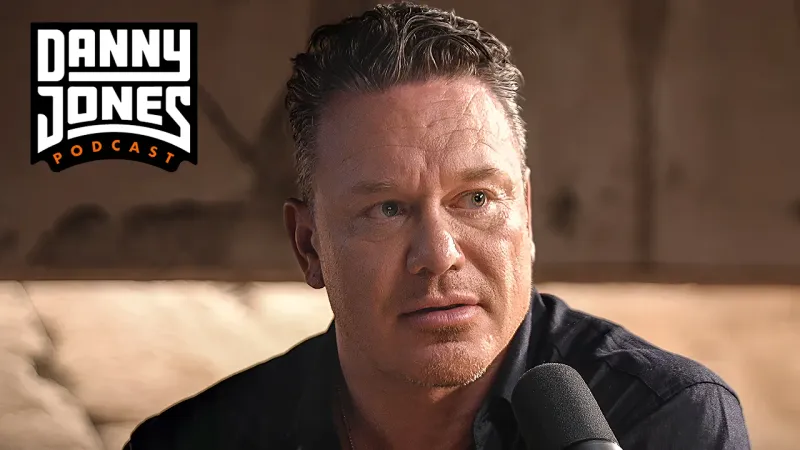
“Epstein’s Classified VHS Tapes Would End Society” (It’s Worse Than You Think) | Ben Swann
Danny Jones@dannyjones“Epstein’s Classified VHS Tapes Would End Society” (It’s Worse Than You Think) | Ben Swann
Ben Swann and Danny Jones discuss Swann’s journalism career and the controversy that cost him his job, then turn to Epstein-related files and Pizzagate. The episode outline also lists topics including US and international politics, UFOs, and the Iran-Israel war; the opening excerpt focuses on Swann’s early career and audience-driven reporting.

- Views
- 636.8K
- Likes
- 17K
- Comments
- 4.6K
- Epstein Files and ScandalPizzagate originsInvestigative journalismUS and Global Politics
Analysis
Ben Swann and Danny Jones discuss Swann’s journalism career and the controversy that cost him his job, then turn to Epstein-related files and Pizzagate. The episode outline also lists topics including US and international politics, UFOs, and the Iran-Israel war; the opening excerpt focuses on Swann’s early career and audience-driven reporting.
- InterviewPodcast episode

- Title
- “Epstein’s Classified VHS Tapes Would End Society” (It’s Worse Than You Think) | Ben Swann
“Ben Swan, nice to meet you, bro. Thanks for coming to meet you, too, man. >> Love this place, by the way. It's amazing in here. It's so good. >> Thank you, dude. Thank you. >> John, uh John Keryaku recommended I get you on and talk about all your stuff. And I've been digging into your history, which is insane. >> Little bit. uh and it how you've been vindicated over like with the last 10 years with the drop of all these Epstein files confirming everything that you lost your career over >> essentially. Yeah. >> So, why don't you like lay it out for people like how did how did this all start for you? >> Yeah. So, you know, I was a journalist, still am uh for 25 years. I started out, you know, as a a news photographer working in local news, became an anchor, kind of worked my way up through the ranks, worked for Fox, CBS, NBC. So, you know, just kind of did that for years and and I ended up in Cincinnati um working for the Fox station there and really started doing stuff that was a little bit outside of what normal local news is, which by the way is a horrible product. Who watches this garbage? Uh and so we we kind of hit a sweet spot. We talked about things that other people wouldn't talk about. Um and this, you know, it's funny when you say that now everybody does that, right? That's not no big deal anymore. But that wasn't true. Even back like in 2012, it was very hard to find that because remember >> a lot of this social media content was in its infancy in 2012. You know, there was no Instagram video. Facebook didn't even have video in 2012, right? That if you go back, Facebook video didn't start till 2015. >> So, this is still a a new medium in terms of how people are getting information, right? Twitter didn't have video. Like hard YouTube was the only place you could find it. We kind of blew up on YouTube because we would talk about, you know, things like the petro dollar on local news and we would talk about things like blowback from the CIA and things that you weren't supposed to talk about in local news. So, we did really well with that. >> And then uh I ended up going to Atlanta and just kept kept doing it, man. We were building this massive following uh online. Had the largest following of any journalist uh in the local news station online by a measure of 10. It was pretty incredible. And when I was in Atlanta, um because I had such a huge online following, you know, about a million people at the time, which again was unheard of for what I was doing, >> they [clears throat] would weigh in on, I'm sure this happens to you all the time, topics, what they want you to cover, things that are happening. >> Mhm. >> Well, in 2015, there was this >> Who specifically was weighing in on that? >> The audience. >> The audience. Okay. Through Twitter and through Facebook at the time. So, they're putting stuff out. This is now we're getting to, you know, 2016. Facebook now has video on it. So we're doing I think we did 150 million views in 2016 on Facebook. I mean it was insane the kind of coverage we were doing and we were just doing everything right from wars to covering the election, you know, talking about what a disaster the war in the Middle East had been.”
- 01Set up the guest and ask where the story began
The question establishes the opening's subject: the guest's background and how his career developed. The mention of vindication over the last ten years provides context for why the host is asking.
After greetings and a brief exchange of compliments about the location, the host says he was recommended the guest, has been looking into his history, and asks how it all began.
“Ben Swan, nice to meet you, bro. Thanks for coming to meet you, too, man. >> Love this place, by the way. It's amazing in here. It's so good. >> Thank you, dude. Thank you. >> John, uh John Keryaku recommended I get you on and talk about all your stuff. And I've been digging into your history, which is insane. >> Little bit. uh and it how you've been vindicated over like with the last 10 years with the drop of all these Epstein files confirming everything that you lost your career over >> essentially. Yeah. >> So, why don't you like lay it out for people like how did how did this all start for you? >> Yeah.”
- 02Establish experience and career progression
The work history gives the audience a basis for understanding the guest's perspective before he explains how his career moved beyond ordinary local-news work.
The guest identifies himself as a journalist with 25 years of experience, then traces his progression from local-news photographer to anchor and work at Fox, CBS, and NBC.
“So, you know, I was a journalist, still am uh for 25 years. I started out, you know, as a a news photographer working in local news, became an anchor, kind of worked my way up through the ranks, worked for Fox, CBS, NBC.”
- 03Describe the unconventional direction
This shifts from résumé details to the distinctive approach that led into the guest's online work, creating a clear link between his career path and the content that followed.
The guest recalls spending years in the field, then working at a local affiliate and pursuing work outside what he calls normal local news. He jokes dismissively about the usual product, then says they found a niche discussing subjects other people would not cover.
“So, you know, just kind of did that for years and and I ended up in Cincinnati um working for the Fox station there and really started doing stuff that was a little bit outside of what normal local news is, which by the way is a horrible product. Who watches this garbage? Uh and so we we kind of hit a sweet spot. We talked about things that other people wouldn't talk about. Um and this, you know, it's funny when you say that now everybody does that, right? That's not no big deal anymore. But that wasn't true.”
- 04Place the work in the emerging online-video era
The platform history explains why their approach was unusual at the time and how it led them to an online audience. These are career-context details, not yet an explanation of the title's specific tape claim.
The guest explains that social-media video was in its infancy in 2012, notes when Facebook video began, and says YouTube was effectively the only place to find such material. He describes the subjects they covered there and says the work did well.
“Even back like in 2012, it was very hard to find that because remember >> a lot of this social media content was in its infancy in 2012. You know, there was no Instagram video. Facebook didn't even have video in 2012, right? That if you go back, Facebook video didn't start till 2015. >> So, this is still a a new medium in terms of how people are getting information, right? Twitter didn't have video. Like hard YouTube was the only place you could find it. We kind of blew up on YouTube because we would talk about, you know, things like the petro dollar on local news and we would talk about things like blowback from the CIA and things that you weren't supposed to talk about in local news. So, we did really well with that. >>”
- 05Build out the reach and trail into the next account
The audience and viewership claims convey the scale of the guest's online work and continue the career story. The supplied excerpt cuts off during the account, before a clear transition to the main discussion of the title's subject.
The guest says he continued the work in Atlanta, claims the team built a large online following, and describes having about a million followers. After the host briefly asks who influenced coverage topics, they clarify that the audience weighed in through Twitter and Facebook. The guest then moves to the 2015–2016 period and claims 150 million Facebook views in 2016, before describing the breadth of their coverage. The excerpt ends during that account.
“And then uh I ended up going to Atlanta and just kept kept doing it, man. We were building this massive following uh online. Had the largest following of any journalist uh in the local news station online by a measure of 10. It was pretty incredible. And when I was in Atlanta, um because I had such a huge online following, you know, about a million people at the time, which again was unheard of for what I was doing, >> they [clears throat] would weigh in on, I'm sure this happens to you all the time, topics, what they want you to cover, things that are happening. >> Mhm. >> Well, in 2015, there was this >> Who specifically was weighing in on that? >> The audience. >> The audience. Okay. Through Twitter and through Facebook at the time. So, they're putting stuff out. This is now we're getting to, you know, 2016. Facebook now has video on it. So we're doing I think we did 150 million views in 2016 on Facebook. I mean it was insane the kind of coverage we were doing and we were just doing everything right from wars to covering the election, you know, talking about what a disaster the war in the Middle East had been.”