How to Build Discipline in a Distracted World
Cal Newport@CalNewportMediaHow to Build Discipline in a Distracted World
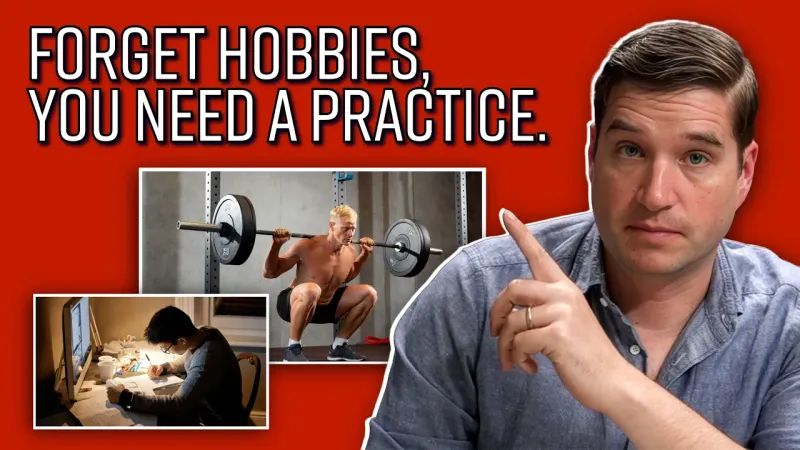
Cal Newport discusses whether building discipline through a challenging, sustained pursuit can help people resist digital distractions. In conversation with Brad Stulberg, he plans to explore how to choose a pursuit, stick with it sustainably, and what benefits to expect; the opening frames these as questions rather than established outcomes.

- Views
- 70.7K
- Likes
- 1.7K
- Comments
- 101
- Building personal disciplineManaging digital distractionMeaningful pursuits
Analysis
Cal Newport discusses whether building discipline through a challenging, sustained pursuit can help people resist digital distractions. In conversation with Brad Stulberg, he plans to explore how to choose a pursuit, stick with it sustainably, and what benefits to expect; the opening frames these as questions rather than established outcomes.
- InterviewPodcast episode

- Title
- How to Build Discipline in a Distracted World
“Tell me if this sounds familiar. You have some ambitious plan for meaningful or productive things that you want to accomplish, but then your phone enters the scene and the next thing you know, the day is over, lost in a blur of digital slop. So, I've been interested recently in a potentially powerful strategy for pushing back on this distraction monster. Becoming a more disciplined person. All right, now let me be more specific about my hypothesis here. Here's what I think is true. Uh if you can cultivate a standout disciplined pursuit in your life, something hard that you can come back to again and again, then this specific discipline will rewire your brain in a general way so that resisting distractions becomes massively easier. Now, this idea is super compelling to me, but is it accurate? And if it is, how do you actually maximize your chances of succeeding with putting it into practice? Well, these seem like the perfect questions to ask in a Monday advice episode of this show, so that is what we're going to do today. Now, here's my plan. To help me find answers, I'm going to be joined by my good friend and friend of the show, Brad Stolberg. Brad has an excellent chapter in his most recent New York Times best-selling book, The Way of Excellence, that talks exactly about cultivating discipline in this way. So, I'm going to have Brad on the show. I'm going to ask him three things that I want his help with. One, how do you choose the right type of disciplined pursuit? Two, how do you stick with it in a way that is going to be sustainable and turn you more generally into a disciplined person? And three, what benefits should you expect from putting this plan to become more disciplined into action? Now, this third point is clear. I mean, it's critical. When I went into this conversation with Brad, I was thinking the real benefit I care about doing something hard is being less distractible, but Brad convinced me that the real rewards actually go much deeper than just less distractibility. All right, so if you're tired of your attention being hijacked by your devices and want more meaningful days then this episode is for you. As always, I'm Cal Newport and this is Deep Questions, the show for people seeking depth in a distracted world. And we'll get started right after the music.”
- 01Recognizable distraction
Makes the problem relevant to viewers who recognize that gap between plans and attention, preparing the proposed response.
The speaker invites recognition of a familiar situation: ambitious intentions are interrupted by a phone, and the day is lost to digital distraction.
“Tell me if this sounds familiar. You have some ambitious plan for meaningful or productive things that you want to accomplish, but then your phone enters the scene and the next thing you know, the day is over, lost in a blur of digital slop.”
- 02Proposed discipline hypothesis
Develops a tentative explanation for addressing the opening problem and gives the viewer a claim to evaluate, rather than presenting it as established fact.
The host introduces becoming more disciplined as a possible response, then proposes that returning repeatedly to a demanding pursuit could make resisting distractions easier.
“So, I've been interested recently in a potentially powerful strategy for pushing back on this distraction monster. Becoming a more disciplined person. All right, now let me be more specific about my hypothesis here. Here's what I think is true. Uh if you can cultivate a standout disciplined pursuit in your life, something hard that you can come back to again and again, then this specific discipline will rewire your brain in a general way so that resisting distractions becomes massively easier.”
- 03Questions and guest plan
Turns the hypothesis into an episode roadmap. The questions define what the conversation will examine, and the guest’s relevant chapter provides a basis for asking for informed help.
The host asks whether the hypothesis is accurate and how to apply it, identifies the episode format, introduces a guest and relevant book chapter, then previews three questions about choosing and sustaining a pursuit and its benefits.
“Now, this idea is super compelling to me, but is it accurate? And if it is, how do you actually maximize your chances of succeeding with putting it into practice? Well, these seem like the perfect questions to ask in a Monday advice episode of this show, so that is what we're going to do today. Now, here's my plan. To help me find answers, I'm going to be joined by my good friend and friend of the show, Brad Stolberg. Brad has an excellent chapter in his most recent New York Times best-selling book, The Way of Excellence, that talks exactly about cultivating discipline in this way. So, I'm going to have Brad on the show. I'm going to ask him three things that I want his help with. One, how do you choose the right type of disciplined pursuit? Two, how do you stick with it in a way that is going to be sustainable and turn you more generally into a disciplined person? And three, what benefits should you expect from putting this plan to become more disciplined into action?”
- 04Reframed benefit and audience invitation
Raises the stakes beyond the initial benefit and clarifies the audience the discussion is meant for. It closes the setup before the show identification and transition to the interview.
The host emphasizes that the benefits matter, recalls expecting less distractibility, and says the guest described deeper rewards. The host then addresses viewers whose attention is hijacked by devices and identifies the episode as relevant to them.
“Now, this third point is clear. I mean, it's critical. When I went into this conversation with Brad, I was thinking the real benefit I care about doing something hard is being less distractible, but Brad convinced me that the real rewards actually go much deeper than just less distractibility. All right, so if you're tired of your attention being hijacked by your devices and want more meaningful days then this episode is for you. As always, I'm Cal Newport and this is Deep Questions, the show for people seeking depth in a distracted world. And we'll get started right after the music.”