How Do I Reverse Brain Rot?
Cal Newport@CalNewportMediaHow Do I Reverse Brain Rot?
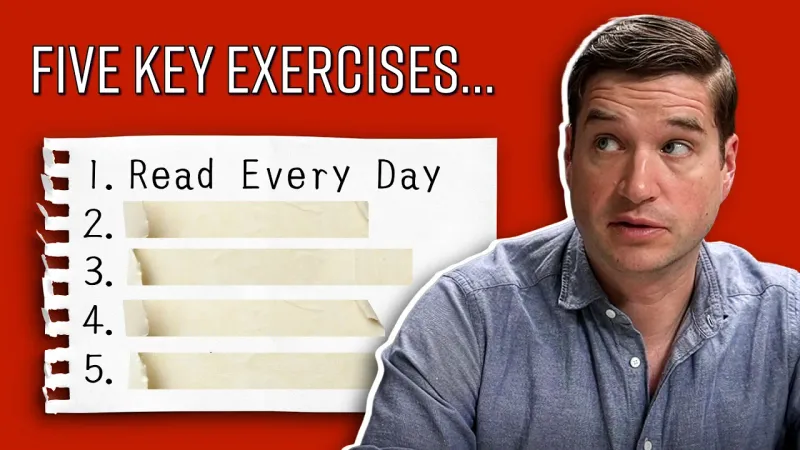
Cal Newport outlines a five-part cognitive fitness routine meant to help people push back against digital distraction and strengthen their ability to think. The opening introduces daily reading as the first component, arguing that deep reading exercises the mind and supports more nuanced understanding.

- Views
- 244.7K
- Likes
- 6.6K
- Comments
- 270
- Cognitive fitness routineDaily reading habitDigital distractionDeep reading benefits
Analysis
Cal Newport outlines a five-part cognitive fitness routine meant to help people push back against digital distraction and strengthen their ability to think. The opening introduces daily reading as the first component, arguing that deep reading exercises the mind and supports more nuanced understanding.
- Podcast episodeExplainerTutorial

- Title
- How Do I Reverse Brain Rot?
Not long ago, I published a splashy op-ed for the New York Times. It was titled There's a good reason why you can't concentrate. Now, it argues that technology is rapidly diminishing our ability to think and that this is a major problem for both the individual as well as the success of our society more broadly. In it, I propose that the solution is a revolution in cognitive fitness, not unlike the physical fitness revolution that emerged in the second half of the 20th century. Here's how I conclude the piece. I write, "My intention is to spur a shift in understanding that can build into a larger revolution. I'm done ceding my brain, the core of all that makes me who I am, to the financial interests of a small number of technology billionaires or the short-sighted conveniences of hyperactive communication styles. It's time to move past fretting about our slide into the cognitive shallows and decide to actually do something about it." Now, this essay's made the rounds and I'm proud of it, but there's one question that I've been asked more than any other by people who read it. How do I become more cognitively fit? I gave a few ideas in the essay, but people want a more systematic brain fitness routine, a sustainable way to push back against the digital forces trying to make us dumber. Well, it's Monday, which means it's time for a Monday advice episode of this show. It seems like the perfect opportunity to dive deeper into this question. All right. So, here's the plan. Uh in the week since this piece has come out, I've refined my cognitive fitness program into five different components and I'm going to go through each of these. I'll justify why each makes sense and then give some practical advice for making that component work. Now, these five components add up to a basic cognitive fitness plan that I think basically everybody should consider adopting. So, if you've been feeling like you've literally been losing your mind to technology and you're ready to start taking back control, then this episode is for you. As always, I'm Cal Newport and this is Deep Questions, the show for people seeking depth in a distracted world. And we'll get started right after the music.
- 01Establish the argument
This supplies the issue and the speaker’s existing position before shifting to the practical question the episode will address.
The speaker introduces a recent public piece, summarizes its claim about technology and thinking, and describes the proposed broad solution.
Not long ago, I published a splashy op-ed for the New York Times. It was titled There's a good reason why you can't concentrate. Now, it argues that technology is rapidly diminishing our ability to think and that this is a major problem for both the individual as well as the success of our society more broadly. In it, I propose that the solution is a revolution in cognitive fitness, not unlike the physical fitness revolution that emerged in the second half of the 20th century. Here's how I conclude the piece. I write, "My intention is to spur a shift in understanding that can build into a larger revolution. I'm done ceding my brain, the core of all that makes me who I am, to the financial interests of a small number of technology billionaires or the short-sighted conveniences of hyperactive communication styles. It's time to move past fretting about our slide into the cognitive shallows and decide to actually do something about it."
- 02Raise the audience’s question
The practical question turns the broad argument into a specific problem the episode can answer.
The speaker says the essay has circulated and presents the question readers most often ask: how to become more cognitively fit.
“Now, this essay's made the rounds and I'm proud of it, but there's one question that I've been asked more than any other by people who read it. How do I become more cognitively fit?”
- 03Promise a systematic answer
This distinguishes a few ideas from the more systematic, sustainable response the episode promises and identifies its recurring advice format.
The speaker says the earlier piece offered some ideas, but people want a sustainable routine, then establishes the Monday advice episode as the occasion to explore the question.
“I gave a few ideas in the essay, but people want a more systematic brain fitness routine, a sustainable way to push back against the digital forces trying to make us dumber. Well, it's Monday, which means it's time for a Monday advice episode of this show. It seems like the perfect opportunity to dive deeper into this question. All right. So, here's the plan. Uh in the week since this piece has come out, I've refined my cognitive fitness program into five different components and I'm going to go through each of these. I'll justify why each makes sense and then give some practical advice for making that component work.”
- 04Define the plan’s audience and identify the show
This frames who the plan is for and finishes the episode introduction. The next sentence begins the first component, so the introduction ends here.
The speaker says the five components form a basic plan most people should consider, addresses people who feel technology is taking control, and names the host and show before announcing the start.
“Now, these five components add up to a basic cognitive fitness plan that I think basically everybody should consider adopting. So, if you've been feeling like you've literally been losing your mind to technology and you're ready to start taking back control, then this episode is for you. As always, I'm Cal Newport and this is Deep Questions, the show for people seeking depth in a distracted world. And we'll get started right after the music.”