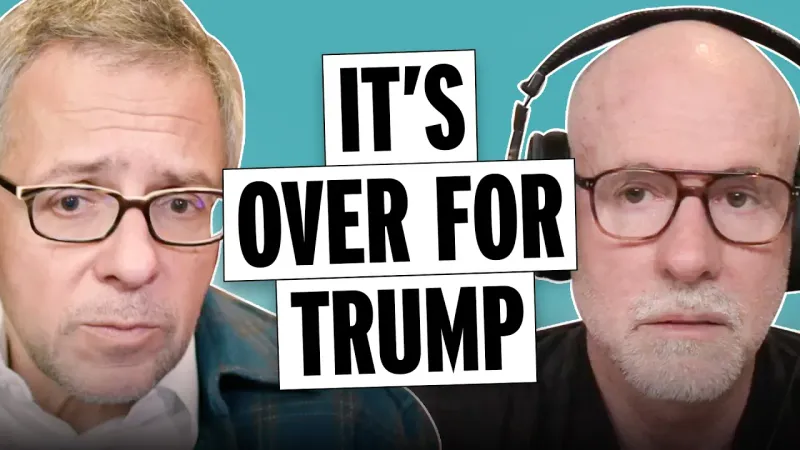
The Iran War Has No Exit — ft. Ian Bremmer | Prof G Conversations
The Prof G Pod – Scott Galloway@TheProfGPodThe Iran War Has No Exit — ft. Ian Bremmer | Prof G Conversations
Scott Galloway and Ian Bremmer discuss the Iran war, the UAE’s withdrawal from OPEC, and growing strains among U.S. allies. They also examine U.S.-Iran leverage, other conflicts and relations involving Russia, China, Europe and Taiwan, as well as the broader implications of a more fragmented global order.

- Views
- 478.9K
- Likes
- 8.1K
- Comments
- 1.2K
- Iran war geopoliticsU.S. AlliancesGlobal power shiftsUAE leaving OPECChina-U.S. Relations
Analysis
Scott Galloway and Ian Bremmer discuss the Iran war, the UAE’s withdrawal from OPEC, and growing strains among U.S. allies. They also examine U.S.-Iran leverage, other conflicts and relations involving Russia, China, Europe and Taiwan, as well as the broader implications of a more fragmented global order.
- InterviewPodcast episode
- Title
- The Iran War Has No Exit — ft. Ian Bremmer | Prof G Conversations
I believe that Trump understands that the midterms are lost. I think he knows that he can't turn the economy around. That's why he's suddenly pivoting towards patience on Iran. That's why he said, "I'm surprised oil prices are so low. I thought they could be $250, $300. They're under 100." Um, I think he knows that that he's in too deep. And so the midterms are lost. Ian, where does this podcast find you? >> Hey, Scott, I am back in my office in New York City. Sunny, springike New York City. Thank God we need something. >> Oh, that's nice. Um, so let's bust right into it. Uh, abroad, the the war in Iran drags on with no end in sight. Blockades were exchanged. Uh, the state of Hormuz is still effectively closed and talks keep collapsing. At home, we had another incident of political violence earlier this week, the attempted assassination of the president at the White House Correspondents Center. [snorts] Ian, in your in your view, what's the state of play in geopolitics right now, particularly in Iran? Uh, well, I the biggest thing that happened today is the Emiratis, ally of the United States, unilaterally withdrew from OPEC, an organization the Americans don't like, uh, and is now going to be weaker, more fragmented, more led by Saudi Arabia. uh uh that is part of what is a growing divide uh between an Emirati block and a Saudi block on security, on economics and technology uh in the Gulf and definitely the Iran war has accelerated that pretty dramatically. But take a quick step back. The other big news this week out of Iran is that the German chancellor publicly said the United States is being humiliated. The French president publicly said that the US president um the Russian president, the Chinese uh president are all directly against Europe uh acting together against Europe. Those are those are things that at best you usually hear with inside voices. you don't hear them saying publicly. So I mean this this unwinding um of US alliances uh this anger and fragmentation geopolitically both in the region and more broadly is clearly becoming more front and center. Um and you know there's there are questions over how how [snorts] much this is in America's advantage over the short the medium um and the long term. But but the anger the the feelings are raw and and the view that these institutions these alliances are not serving um the purpose of the US or the allies those things are growing and becoming much much more direct and and the pain that comes from an Iran war that we're now in the third month of no end in sight as you said the economic consequences are massive uh as well as the geopolitical uh is is really leading to a lot of uh a lot of anger and hostility and mistrust on the global stage. So maybe that's the way I would frame it just to start. >> So I want to bifurcate it into what I think is a really interesting story and I'm I'm interested to get your take and that is the UAE deciding to divest or leave OPEC and then obviously US allies be adding more stride in terms of their criticism of the US. Why? Why would the UAE see it to their advantage to alienate other Gulf partners in OPEC? Weaken OPEC? What what is the mechanization and the sort of the industrial logic behind the UAE coming to the decision that they're going to leave OPEC?
- 01Political interpretation
States the opening’s political interpretation and supplies an attributed remark as its basis, setting up the connection between Trump’s position and the Iran conflict.
The speaker links Trump’s midterm prospects and the economy to what they interpret as a shift toward patience on Iran, then cites his remarks about oil prices.
I believe that Trump understands that the midterms are lost. I think he knows that he can't turn the economy around. That's why he's suddenly pivoting towards patience on Iran. That's why he said, "I'm surprised oil prices are so low. I thought they could be $250, $300. They're under 100." Um, I think he knows that that he's in too deep. And so the midterms are lost.
- 02Guest handoff
Moves from the opening claim into the conversation and identifies the guest who will respond to the geopolitical framing.
The host asks Ian where the podcast finds him; Ian responds that he is back in his New York City office.
“Ian, where does this podcast find you? >> Hey, Scott, I am back in my office in New York City.”
- 03Iran war framing
Names the central conflict, establishes the host’s framing of its current state, and asks the guest to assess geopolitics, particularly Iran.
The host briefly acknowledges the guest’s location, announces the discussion, and describes the Iran war as ongoing, with Hormuz effectively closed and talks collapsing. The host also mentions a recent attempted assassination of the president before asking for the guest’s view.
“Sunny, springike New York City. Thank God we need something. >> Oh, that's nice. Um, so let's bust right into it. Uh, abroad, the the war in Iran drags on with no end in sight. Blockades were exchanged. Uh, the state of Hormuz is still effectively closed and talks keep collapsing. At home, we had another incident of political violence earlier this week, the attempted assassination of the president at the White House Correspondents Center. [snorts] Ian, in your in your view, what's the state of play in geopolitics right now, particularly in Iran? Uh,”
- 04Guest’s opening assessment
Provides the guest’s initial answer and broadens the discussion from Iran to regional alignments and consequences. The caveat that this is how the guest would frame things “just to start” marks the assessment as an opening overview, not a complete account.
The guest highlights the UAE’s withdrawal from OPEC, describes a growing Emirati-Saudi divide, and says the Iran war has accelerated it. The guest then broadens the frame to public criticism of the US, alliance tensions, and the war’s economic and geopolitical consequences.
“well, I the biggest thing that happened today is the Emiratis, ally of the United States, unilaterally withdrew from OPEC, an organization the Americans don't like, uh, and is now going to be weaker, more fragmented, more led by Saudi Arabia. uh uh that is part of what is a growing divide uh between an Emirati block and a Saudi block on security, on economics and technology uh in the Gulf and definitely the Iran war has accelerated that pretty dramatically. But take a quick step back. The other big news this week out of Iran is that the German chancellor publicly said the United States is being humiliated. The French president publicly said that the US president um the Russian president, the Chinese uh president are all directly against Europe uh acting together against Europe. Those are those are things that at best you usually hear with inside voices. you don't hear them saying publicly. So I mean this this unwinding um of US alliances uh this anger and fragmentation geopolitically both in the region and more broadly is clearly becoming more front and center. Um and you know there's there are questions over how how [snorts] much this is in America's advantage over the short the medium um and the long term. But but the anger the the feelings are raw and and the view that these institutions these alliances are not serving um the purpose of the US or the allies those things are growing and becoming much much more direct and and the pain that comes from an Iran war that we're now in the third month of no end in sight as you said the economic consequences are massive uh as well as the geopolitical uh is is really leading to a lot of uh a lot of anger and hostility and mistrust on the global stage. So maybe that's the way I would frame it just to start.”
- 05Host sets up the next topics
Turns the guest’s broad overview into specific questions for the conversation. The introduction ends while the host is still developing the OPEC question, before the sustained analysis that would answer it.
The host proposes splitting the discussion into two issues: the UAE’s decision to leave OPEC and increased criticism of the US from its allies. The host asks why the UAE would alienate Gulf partners and weaken OPEC, then begins asking about the decision’s rationale.
“>> So I want to bifurcate it into what I think is a really interesting story and I'm I'm interested to get your take and that is the UAE deciding to divest or leave OPEC and then obviously US allies be adding more stride in terms of their criticism of the US. Why? Why would the UAE see it to their advantage to alienate other Gulf partners in OPEC? Weaken OPEC? What what is the mechanization and the sort of the industrial logic behind the UAE coming to the decision that they're going to leave OPEC?”