How to Small Talk with the Top 1%
Natalie Dawson@thenataliedawsonHow to Small Talk with the Top 1%
Natalie Dawson argues that casual conversations can uncover business opportunities, sharing how a brief chat about lip gloss led to a partnership with Heather Rae El Moussa. She introduces five small-talk tips, including staying attentive after meetings and making a strong first impression in a conversation’s opening seconds.
- Views
- 235.6K
- Likes
- 6.2K
- Comments
- 103
- Small talk skillsBuilding business relationshipsConversation openersFinding business opportunities
Analysis
Natalie Dawson argues that casual conversations can uncover business opportunities, sharing how a brief chat about lip gloss led to a partnership with Heather Rae El Moussa. She introduces five small-talk tips, including staying attentive after meetings and making a strong first impression in a conversation’s opening seconds.
- TutorialMonologue

- Title
- How to Small Talk with the Top 1%
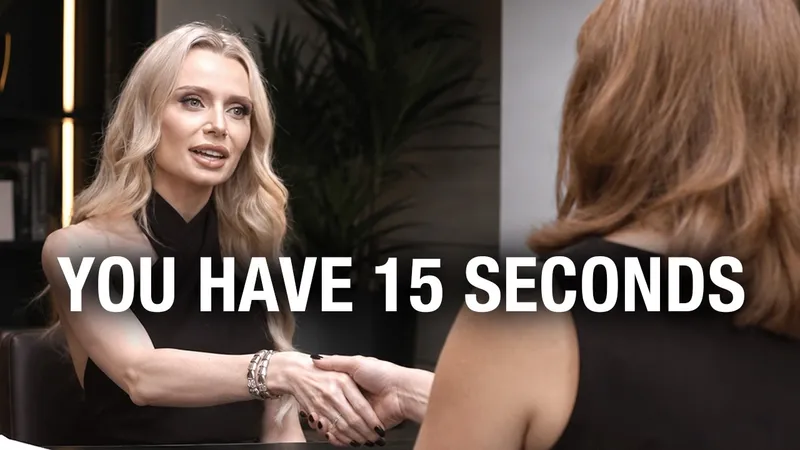
Small talk can be a complete waste of time, but if you use it right, it's actually a superpower and can land you massive opportunities. I once had a 5-minute very casual conversation with Heather Rae Moussa and turned that into a partnership. So, here are five tips on how to master small talk and unlock that one conversation that could change your life. So, first of all, the expression small talk sounds a little bit off to me because calling that superpower small is one of the most expensive mistakes you can make. I was on a work trip last summer. It was a short on-site with one of our clients and we had the opportunity to sit down for lunch. It was their team and it was our team. And the reason for flying there was to do business. That was the job. But as I'm sitting there, I hear my team just casually chatting away about personal stuff with their team. A big game coming up, something in the news, talking about what people are doing this weekend, just getting to know each other on that personal level. And honestly, it got me thinking, why is it that most people just switch to this generic chitchat the second a formal meeting ends? Top performers, people who are at the top of the game know that nothing is small talk. Every single conversation is an opportunity. So, a while back, my husband and I flew out to California to meet with Tara El Moussa. We're talking about working on a project together and we had spent about three or four hours going back and forth on what this could look like. And as the meeting was wrapping up, I started chatting with his wife, Heather. It was just small talk at first, but while we were talking, I looked around the room and I saw these lip glosses with her logo on them. So, I asked, "What are these?" And she said, "Oh, it's a project that I've been working on that I'm really passionate about, but I'm not sure what the launch plan should be." And I said, "Well, I could help you launch it." That little 5-minute chat at the very end of a meeting about something completely different turned into a partnership on HRE Beauty. We've launched lip glosses, body products, and it all happened because I was paying attention. It happened because I didn't treat the end of the meeting as downtime to talk about personal things. You see, it's so easy when you're making small talk to assume that nothing important can come from it. Like, we're here for this other thing, so this part just doesn't matter. But, the way I see it, every conversation, no matter how casual, is a chance to notice something, ask about it, and find a way to help. Because, nobody loses money on small talk. They lose it on small attention. So, the next time you're finishing a meeting, don't switch off. Keep your brain switched on the entire time during the in-between moments, and look for ways to add value. Look around, get curious about the person and the opportunities in front of you, and what's actually happening around them. Your version of that lip gloss opportunity is sitting right in front of you. Number two, the first 15 seconds of a conversation with a stranger are the most important.
- 01Reframe the subject
This opposing view establishes the central premise and makes the promised guidance relevant: the same kind of conversation may be either disposable or valuable.
The speaker says small talk can be a waste of time but can become powerful when used well, with substantial opportunities as a possible result.
“Small talk can be a complete waste of time, but if you use it right, it's actually a superpower and can land you massive opportunities.”
- 02Introduce the promise
The brief example puts a concrete outcome behind the opening claim. The five-tip promise tells viewers what guidance is coming and why the subject may matter.
The speaker cites a five-minute conversation that led to a partnership and promises five tips for mastering small talk and unlocking a potentially life-changing conversation.
“I once had a 5-minute very casual conversation with Heather Rae Moussa and turned that into a partnership. So, here are five tips on how to master small talk and unlock that one conversation that could change your life.”
- 03Set up the personal account
The contrast between the business purpose of the trip and the casual conversation introduces the circumstances behind the speaker’s example and challenges the idea that informal talk is insignificant.
The speaker challenges the dismissive connotation of “small talk” and recounts a work trip where colleagues chatted informally with a client’s team despite being there to do business.
“So, first of all, the expression small talk sounds a little bit off to me because calling that superpower small is one of the most expensive mistakes you can make. I was on a work trip last summer. It was a short on-site with one of our clients and we had the opportunity to sit down for lunch. It was their team and it was our team. And the reason for flying there was to do business. That was the job. But as I'm sitting there, I hear my team just casually chatting away about personal stuff with their team. A big game coming up, something in the news, talking about what people are doing this weekend, just getting to know each other on that personal level.”
- 04Explain the opportunity
The speaker’s question and proposed answer extend the opening argument from one work lunch to conversations more generally. The new account begins to show how the principle might apply in practice.
The speaker wonders why people retreat to generic chat after formal meetings, then asserts that top performers regard every conversation as an opportunity. She begins a second personal example involving a meeting about a potential project and a conversation with a colleague’s wife.
“And honestly, it got me thinking, why is it that most people just switch to this generic chitchat the second a formal meeting ends? Top performers, people who are at the top of the game know that nothing is small talk. Every single conversation is an opportunity. So, a while back, my husband and I flew out to California to meet with Tara El Moussa. We're talking about working on a project together and we had spent about three or four hours going back and forth on what this could look like. And as the meeting was wrapping up, I started chatting with his wife, Heather.”
- 05Tell the partnership story
This is the opening’s fullest evidence for its claim: attention to an incidental detail led to an offer of help and a tangible collaboration. It also supplies the story promised by the earlier reference to a five-minute conversation.
The speaker describes noticing lip glosses bearing the other woman’s logo, asking about them, and hearing that the woman was passionate about the project but unsure how to launch it. The speaker offers help; the brief chat becomes a partnership that launched products.
It was just small talk at first, but while we were talking, I looked around the room and I saw these lip glosses with her logo on them. So, I asked, "What are these?" And she said, "Oh, it's a project that I've been working on that I'm really passionate about, but I'm not sure what the launch plan should be." And I said, "Well, I could help you launch it." That little 5-minute chat at the very end of a meeting about something completely different turned into a partnership on HRE Beauty. We've launched lip glosses, body products, and it all happened because I was paying attention.
- 06Draw the lesson
The speaker turns the anecdote into an explicit principle, making the example relevant beyond that particular partnership and preparing the audience for practical advice.
The speaker says the outcome came from not treating the meeting’s end as downtime. She argues that any conversation can be a chance to notice, ask, and help, and contrasts losing money with losing attention.
“It happened because I didn't treat the end of the meeting as downtime to talk about personal things. You see, it's so easy when you're making small talk to assume that nothing important can come from it. Like, we're here for this other thing, so this part just doesn't matter. But, the way I see it, every conversation, no matter how casual, is a chance to notice something, ask about it, and find a way to help. Because, nobody loses money on small talk. They lose it on small attention.”
- 07Give the first practical advice
This turns the story’s lesson into an actionable first tip and offers a specific example of what an opportunity can look like. The next numbered tip begins, but its supporting explanation is cut off in the supplied ledger.
The speaker advises staying attentive between meetings, looking for ways to add value, and becoming curious about the person and the opportunities around them. She points back to the lip-gloss example, then begins the second tip about the first 15 seconds of a conversation.
“So, the next time you're finishing a meeting, don't switch off. Keep your brain switched on the entire time during the in-between moments, and look for ways to add value. Look around, get curious about the person and the opportunities in front of you, and what's actually happening around them. Your version of that lip gloss opportunity is sitting right in front of you. Number two, the first 15 seconds of a conversation with a stranger are the most important.”