Scammers only need one thing
Nischa@nischaScammers only need one thing
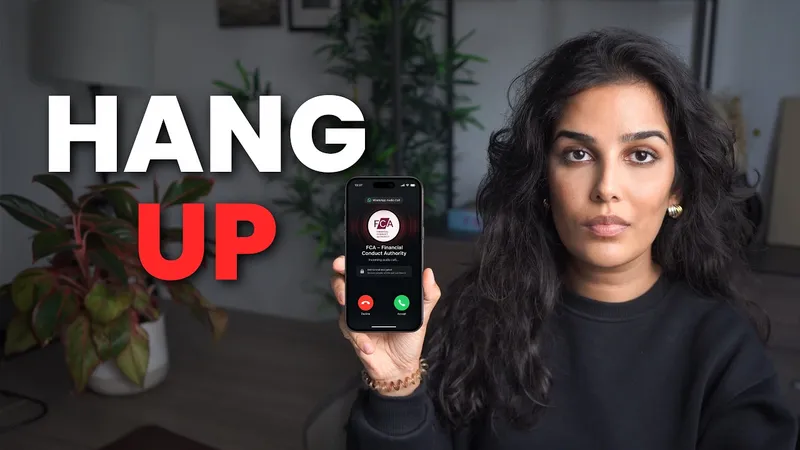
Nisha recounts how scammers impersonated Barclays and the FCA to pressure a friend into following instructions on her phone. She introduces how modern scams use psychological manipulation and promises to explain common warning signs, ways to protect money, and what to do after being scammed.
- Views
- 424.6K
- Likes
- 5K
- Comments
- 386
- Banking impersonation scamsScam psychology tacticsFraud warning signsProtecting money from scams
Analysis
Nisha recounts how scammers impersonated Barclays and the FCA to pressure a friend into following instructions on her phone. She introduces how modern scams use psychological manipulation and promises to explain common warning signs, ways to protect money, and what to do after being scammed.
- Narrative storyExplainer
- Title
- Scammers only need one thing
“One of the smartest people I know was recently targeted by scammers and the way they did it is terrifying. She hadn't given them her password, her PIN, or any of her personal information. She didn't need to because scammers have become incredibly good at using psychology to manipulate you into doing exactly what they want. And this can happen to even the smartest, most careful people. It all started when my friend got a text from Barclays asking her to confirm some payments on her debit card. She had texts like this from her bank before so she didn't really think much into it. She looked at the transactions, £6 here, £9 there, £2 subscription. She didn't recognize any of them. So she texted back to say they weren't hers. Barclays then texted her to say her card had been frozen and that she could call the bank to talk through what had happened and what to do next. And as she was getting a pen and paper to make some notes, her phone rang. The person on the other end was friendly, they were patient, and they said they were from Barclays security team. They told her the small transactions would be taken care of but there was one more that they were really concerned about. It was a £13,000 charge at Nobu and that's when she started to panic. Because what she didn't know then was that there was no £13,000 transaction. She wasn't speaking to Barclays. The entire thing, the texts, the phone call, everything was a scam. And this was only the beginning because what happens next shows how sophisticated scams have become and how even the smartest, financially educated people can still fall for them. The thing is, modern scammers don't necessarily need to hack your bank account to steal your money. They need to hack you. And if you're new here, I'm Nisha, I'm a chartered accountant and a former banker and I spend a lot of my time on this channel talking about how to grow and manage your wealth. When this happened to my friend this week, I realized I need to make a video on how to protect it, too. Because you can spend years building up your savings and investments and it can take just one sophisticated scam to put all of that at risk. So I'm going to show you exactly how these scammers do it, the psychological tricks they use to get you to stop thinking clearly, and the simple rules you can follow to protect yourself from most scams. And please, please, please share this with your parents, your grandparents, family, friends, because the more we understand how these scams work, the harder we are to scam. So first, let me tell you what happened next.”
- 01Credible person, unexpected vulnerability
Establishes the central danger and counters the assumption that only careless people are vulnerable, setting up a personal story that makes the risk concrete.
Introduces a respected person targeted by scammers and emphasizes that the attack used psychological manipulation, not stolen credentials.
“One of the smartest people I know was recently targeted by scammers and the way they did it is terrifying. She hadn't given them her password, her PIN, or any of her personal information. She didn't need to because scammers have become incredibly good at using psychology to manipulate you into doing exactly what they want. And this can happen to even the smartest, most careful people.”
- 02The incident unfolds
Builds the story step by step from a plausible message to a convincing call, showing why the friend trusted the interaction before the scam is disclosed.
Recounts how a familiar-looking bank text led the friend through unfamiliar transactions, a card freeze, and a call from someone claiming to be the bank's security team.
“It all started when my friend got a text from Barclays asking her to confirm some payments on her debit card. She had texts like this from her bank before so she didn't really think much into it. She looked at the transactions, £6 here, £9 there, £2 subscription. She didn't recognize any of them. So she texted back to say they weren't hers. Barclays then texted her to say her card had been frozen and that she could call the bank to talk through what had happened and what to do next. And as she was getting a pen and paper to make some notes, her phone rang. The person on the other end was friendly, they were patient, and they said they were from Barclays security team. They told her the small transactions would be taken care of but there was one more that they were really concerned about.”
- 03The false charge and reveal
Raises the immediate stakes through the supposed charge, then resolves that part of the story with the disclosure that the entire contact was fraudulent.
Names the alarming large charge, then reveals that it never happened and the texts and call were all part of a scam.
“It was a £13,000 charge at Nobu and that's when she started to panic. Because what she didn't know then was that there was no £13,000 transaction. She wasn't speaking to Barclays. The entire thing, the texts, the phone call, everything was a scam.”
- 04Broader premise and guide promise
Turns the individual story into the episode's central premise, supports the guide role with relevant credentials, and promises both an account of the tactics and actionable safeguards. The supplied excerpt ends as the speaker begins the next story section, so the introduction boundary is limited by the available transcript.
Connects the incident to increasingly sophisticated scams, states that scammers need to manipulate a person rather than hack a bank account, introduces the speaker's relevant experience, and promises an explanation and protective rules.
“And this was only the beginning because what happens next shows how sophisticated scams have become and how even the smartest, financially educated people can still fall for them. The thing is, modern scammers don't necessarily need to hack your bank account to steal your money. They need to hack you. And if you're new here, I'm Nisha, I'm a chartered accountant and a former banker and I spend a lot of my time on this channel talking about how to grow and manage your wealth. When this happened to my friend this week, I realized I need to make a video on how to protect it, too. Because you can spend years building up your savings and investments and it can take just one sophisticated scam to put all of that at risk. So I'm going to show you exactly how these scammers do it, the psychological tricks they use to get you to stop thinking clearly, and the simple rules you can follow to protect yourself from most scams. And please, please, please share this with your parents, your grandparents, family, friends, because the more we understand how these scams work, the harder we are to scam. So first, let me tell you what happened next.”