Rebuilding My Body & Starting Over After Surgery
Rich Roll@richrollRebuilding My Body & Starting Over After Surgery
In this solo AMA, Rich Roll answers questions about diet, training, and rebuilding fitness after spinal fusion surgery. He introduces his athletic and personal history, then frames the episode around recovery and lessons in patience, momentum, and starting over with a beginner’s mindset.
- Views
- 119.3K
- Likes
- 4.4K
- Comments
- 744
- Spinal fusion recoveryDiet and TrainingFitness after surgeryPersonal reinvention
Analysis
In this solo AMA, Rich Roll answers questions about diet, training, and rebuilding fitness after spinal fusion surgery. He introduces his athletic and personal history, then frames the episode around recovery and lessons in patience, momentum, and starting over with a beginner’s mindset.
- Podcast episodeMonologue

- Title
- Rebuilding My Body & Starting Over After Surgery
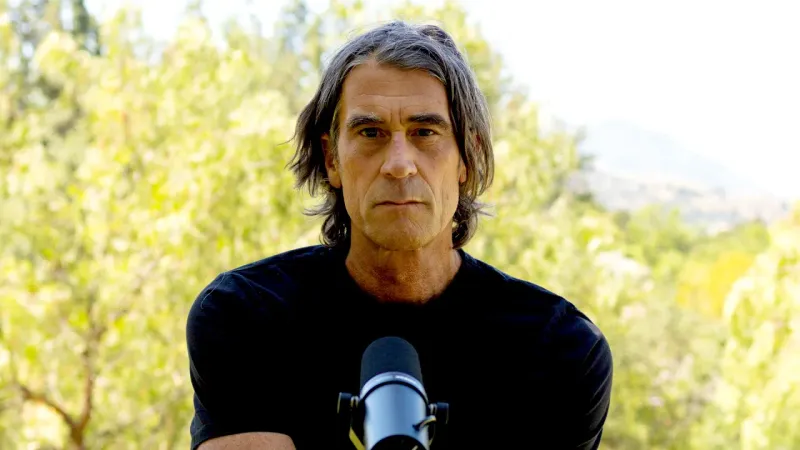
“How about this, you guys? We're outside. Outside of the black void. It's like another dimension out here. The sun is shining. It's a beautiful day. And I'm back with another solo episode of the podcast. The first two that I have done have been received with overwhelming positivity. Thank you for that. I'm going to be doing more of these. When I put the word out that I was looking for questions to answer, thinking I was going to do an AMA, maybe answer four or five questions. The vast majority of the responses that I got pivoted around my diet and my fitness routine in the wake of spinal fusion surgery as I engage with my recovery and am in this sort of rebuilding process. So, this AMA is going to be singularly focused on that because I have a lot to say about this. And in addition to a lifetime of training experience, experience with nutrition, I've also learned a lot over this past year. Many things that I think are salient and hopefully helpful and applicable to your life. So, diet, training, longevity, reinvention, transformation, let's go. So, the way I want to open this is with a little bit of background cuz I don't want to assume that everybody knows my story. Uh I was a swimmer as a young person. I competed at Stanford University in the late 1980s as a butterflyer at a pretty high level. Kind of a bench warmer on that two-time NC2A winning team, uh but a member of that team nonetheless where I was training every single day with Olympic gold medalists and world record holders and NC2A and American record holders. And I bring that up solely to make the point that I know a lot about training. I've been pushing my body and submitting to voluntary suffering for the better part of my entire life. Uh so, that was the '80s. The '90s was a decade of decadence where I pursued my first career as a professional alcoholic. Needless to say, that did not work out so well. At 31, I ended up getting sober and so, I spent uh that decade, the decade of my '30s, trying to repair the wreckage of my life, rebuild myself up uh emotionally, mentally, uh and spiritually so that I could become a productive member of society. And during that time, I was very career-focused. I wasn't focused on my physical fitness. That fell by the wayside. I ended up gaining about 50 lb, living this sedentary fast-food lifestyle. And that came to a head shortly before I turned 40 when I had a bit of a reckoning, this sort of existential crisis about what I was doing with my life, pursuing this career in corporate law. That coincided with a health scare one evening that was an inciting incident that led me to uh basically reinventing my life whole cloth, changing my relationship with food and with nutrition and with physical activity. And that led to a period of time in my mid-40s when I was competing in ultra-endurance sports, ultra-endurance athletics. Uh in 2009, I competed in a race called the Ultraman World Championships, which is a double Ironman race that circumnavigates the entire Big Island of Hawaii over 3 days. I finished that race uh as the fastest American and sixth fastest in the world. And then in 2010, I did this thing called Epic5 where I completed five Ironmans on each of the five Hawaiian Islands in about 6 days. In the aftermath of that, I started experiencing some lower back discomfort as well as some numbness on the bridge of my left foot.”
- 01Podcast setup and audience response
This establishes the recurring format and explains why the speaker plans to make more episodes of this kind.
The speaker opens with casual outdoor remarks, identifies a solo podcast episode, and says earlier episodes received a positive response.
“How about this, you guys? We're outside. Outside of the black void. It's like another dimension out here. The sun is shining. It's a beautiful day. And I'm back with another solo episode of the podcast. The first two that I have done have been received with overwhelming positivity. Thank you for that. I'm going to be doing more of these.”
- 02Questions define the episode
This makes the episode’s central subject explicit and connects it to audience questions, setting expectations for the discussion.
The speaker explains that an intended short AMA drew mostly questions about diet and fitness after spinal fusion surgery, then says this episode will focus on recovery and rebuilding.
“When I put the word out that I was looking for questions to answer, thinking I was going to do an AMA, maybe answer four or five questions. The vast majority of the responses that I got pivoted around my diet and my fitness routine in the wake of spinal fusion surgery as I engage with my recovery and am in this sort of rebuilding process. So, this AMA is going to be singularly focused on that because I have a lot to say about this.”
- 03Experience and themes preview
This previews the range of the discussion and offers relevant experience as context for the coming account, while qualifying the usefulness as a hope rather than a guarantee.
The speaker cites long-term training and nutrition experience, says the past year has taught him things he hopes will apply to viewers, and names the episode’s broad themes.
“And in addition to a lifetime of training experience, experience with nutrition, I've also learned a lot over this past year. Many things that I think are salient and hopefully helpful and applicable to your life. So, diet, training, longevity, reinvention, transformation, let's go.”
- 04Personal background begins
This begins the personal history that contextualizes the speaker’s training experience and the later discussion of rebuilding.
The speaker says he wants to provide background because he cannot assume everyone knows his story, then describes his competitive swimming years and training alongside elite athletes.
“So, the way I want to open this is with a little bit of background cuz I don't want to assume that everybody knows my story. Uh I was a swimmer as a young person. I competed at Stanford University in the late 1980s as a butterflyer at a pretty high level. Kind of a bench warmer on that two-time NC2A winning team, uh but a member of that team nonetheless where I was training every single day with Olympic gold medalists and world record holders and NC2A and American record holders.”
- 05A life of change and rebuilding
This personal account develops the rebuilding theme by showing earlier setbacks and a turning point. It also supplies experience behind the speaker’s discussion of fitness and nutrition.
The speaker explains that he mentions his athletic past to establish training knowledge, then recounts alcohol dependence, sobriety, and rebuilding his life. He describes neglecting fitness, gaining weight, and a health scare that prompted a major change in his relationship with food, nutrition, and activity.
“And I bring that up solely to make the point that I know a lot about training. I've been pushing my body and submitting to voluntary suffering for the better part of my entire life. Uh so, that was the '80s. The '90s was a decade of decadence where I pursued my first career as a professional alcoholic. Needless to say, that did not work out so well. At 31, I ended up getting sober and so, I spent uh that decade, the decade of my '30s, trying to repair the wreckage of my life, rebuild myself up uh emotionally, mentally, uh and spiritually so that I could become a productive member of society. And during that time, I was very career-focused. I wasn't focused on my physical fitness. That fell by the wayside. I ended up gaining about 50 lb, living this sedentary fast-food lifestyle. And that came to a head shortly before I turned 40 when I had a bit of a reckoning, this sort of existential crisis about what I was doing with my life, pursuing this career in corporate law. That coincided with a health scare one evening that was an inciting incident that led me to uh basically reinventing my life whole cloth, changing my relationship with food and with nutrition and with physical activity.”
- 06Endurance achievements and recovery transition
This continues the personal background and connects demanding athletic experience to the physical symptoms that follow. The supplied excerpt cuts off during this transition, before the surgery or recovery account develops.
The speaker recounts competing in ultra-endurance events, including a three-day race across Hawaii and a five-Ironman challenge across the Hawaiian Islands, then begins describing lower-back discomfort and foot numbness afterward.
“And that led to a period of time in my mid-40s when I was competing in ultra-endurance sports, ultra-endurance athletics. Uh in 2009, I competed in a race called the Ultraman World Championships, which is a double Ironman race that circumnavigates the entire Big Island of Hawaii over 3 days. I finished that race uh as the fastest American and sixth fastest in the world. And then in 2010, I did this thing called Epic5 where I completed five Ironmans on each of the five Hawaiian Islands in about 6 days. In the aftermath of that, I started experiencing some lower back discomfort as well as some numbness on the bridge of my left foot.”